Bulk Landscape Materials, and the Pairs Texas Buyers Mix Up
Mason Sand
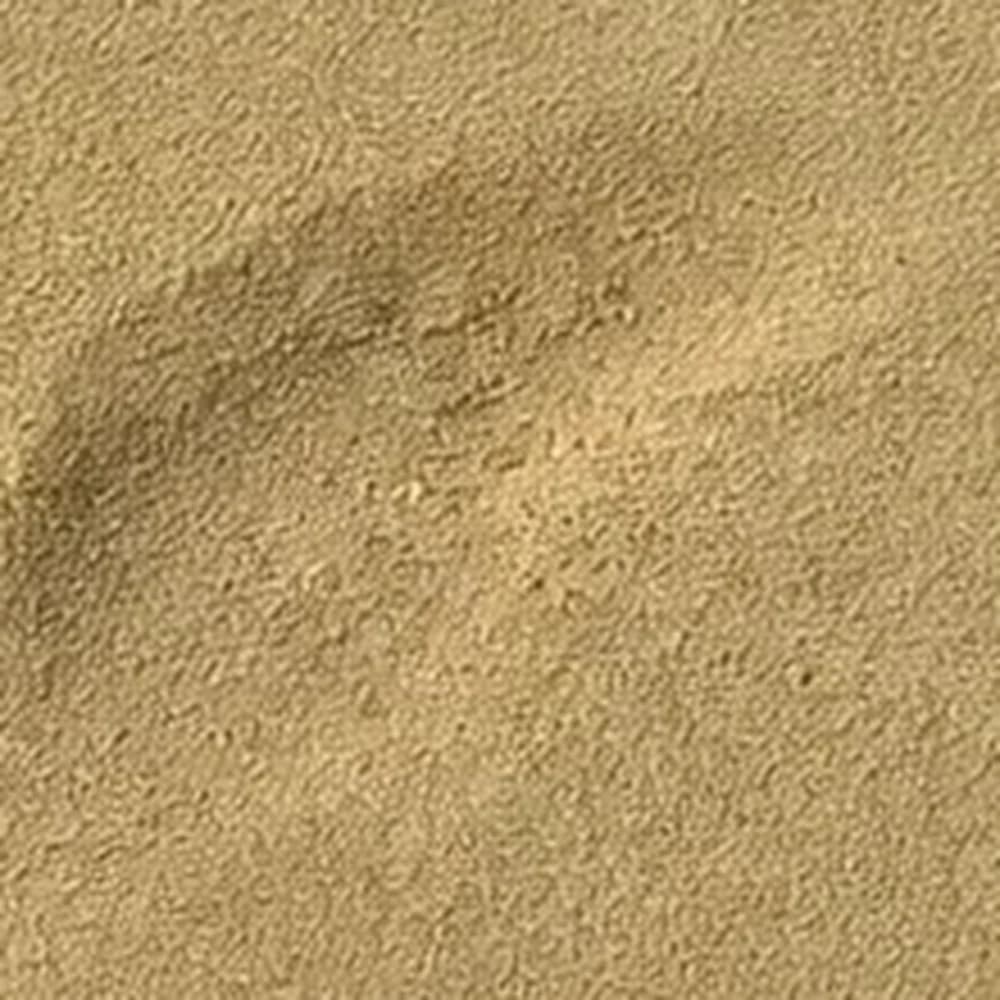
On paver work over a flex base pad in Texas, Mason Sand creates a smooth setting surface and can fill joints between interlocking pavers. Size: Ultra-fine, consistent grain size. Grading: Washed to remove clay, silt and organic impurities.
Free Delivery
Washed Sand
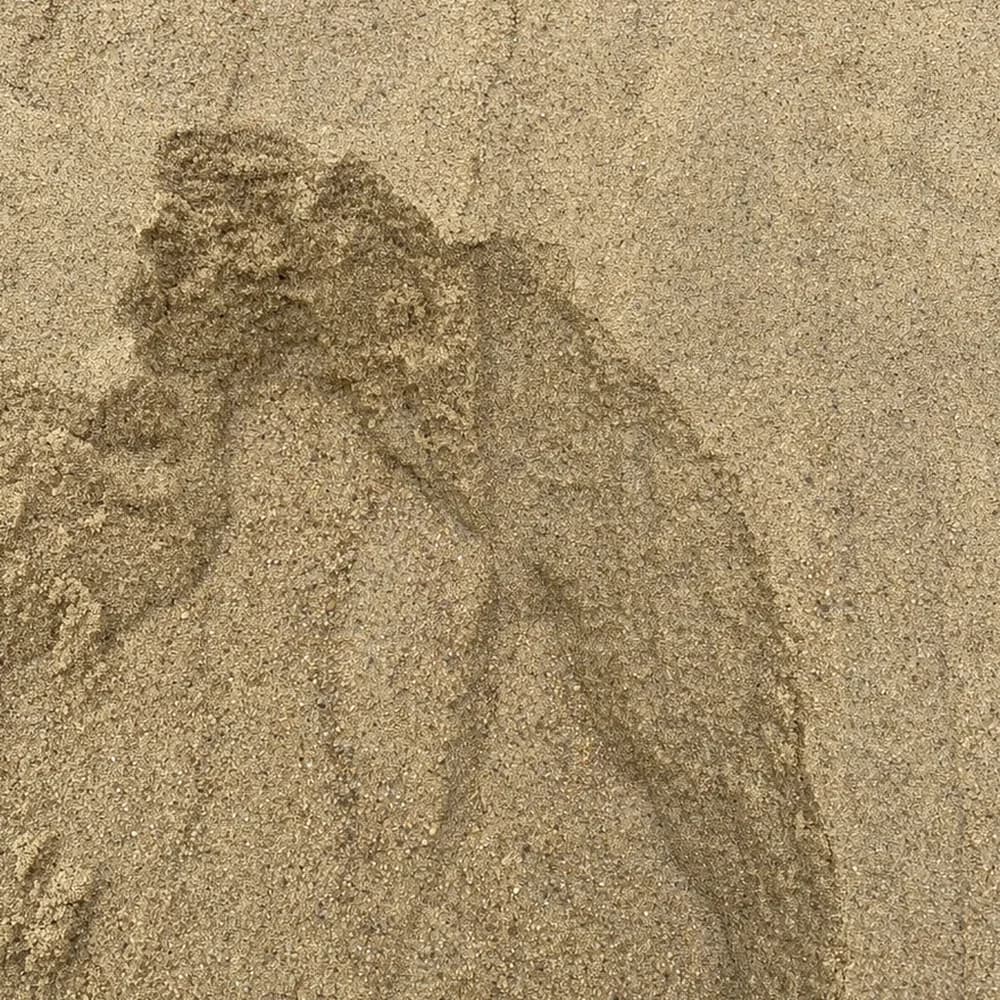
In Texas ground work, Washed Sand provides clean material for concrete mixing, trench backfill, leveling, and general construction. Size: Coarse-grained. Grading: Washed; free of clay, silt and organic debris.
Free Delivery
Orders here tend to get placed in a hurry, in the three or four dry days between one storm and the next, which is exactly when the wrong material gets picked. Most of the hesitation happens between two products at a time. Here is each of those pairs, settled.
Flex Base or crusher run under a pad or a ranch road
Both compact. Flex Base is the state's default base material, one inch minus, graded crushed stone and gravel with binding fines running through it, and it is the material a local plan sheet is naming when it says flexible base under TxDOT Item 247. That is how the material gets described locally, not a designation this storefront holds. Crusher Run is the base most yards here call crushed limestone base, at three-quarter inch minus, a size down, and it suits drive rebuilds and surfacing where a full base section is not being built. The rock names carried on these listings are the ones local yards use; each product page states the size and grading behind the name.
#57 Limestone or drain rock in a trench through gumbo
#57 Limestone runs 3/16 to 1 inch and is the standard stone for a French drain, a slab-edge run or a concrete mix. Drain Rock is three-quarter to one and a half inch and washed specifically to remove fines, so it stays clean-looking where it is exposed and keeps voids open behind a wall. In a buried pipe trench, either works; where the stone will be seen, take the washed one.
#4 stone or railroad ballast at a construction entrance
#4 Crushed Stone at 3/4 to 1-1/2 inches is the usual mud-control layer at an entrance or the bottom of a wet trench. Railroad Ballast runs one to two and a half inches and is graded to interlock under load, which is what you want under an equipment pad rather than under a pickup.
Pea gravel or walkway gravel on a path through the beds
Pea Gravel is rounded three-eighths inch stone, comfortable underfoot and the right choice for play areas, but it rolls. Walkway Gravel is crushed at the same size, so the angular faces lock and it holds a curved path better. Barefoot patio, pea gravel. Garden route that gets a wheelbarrow, walkway gravel.
River rock, large river rock or rip rap where water runs
Texas River Rock at one to three inches is decorative: beds, borders, dry creek beds. Large River Rock at two to four inches holds better in a channel that actually moves water and still looks finished. RipRap starts at four inches and goes up, and is armoring rather than landscaping, for banks, culvert outfalls and stock tank edges that flash runoff is cutting into.
Top soil, garden soil or fill dirt over shrink-swell ground
Top Soil is screened, with a balanced mix of sand, silt and clay, and it is what goes under sod or seed. Garden Soil is enriched with compost for raised planters and vegetable beds. Fill Dirt is the compactable material with minimal organic content for bringing a low area up before anything else happens; nothing should be planted in it.
Mason sand or washed sand on a paver job
Mason Sand is ultra-fine and washed clean of clay and silt, used for mortar, for setting pavers and for sweeping into joints. Washed Sand is coarse, and belongs in concrete mixes, trench backfill and general leveling. Swapping them makes a paver bed that will not screed flat.
Stone screenings or #89 in a paver base build
Stone Screenings are quarter inch minus with dust, which is what levels a prepared base before pavers or flagstone go down. #89 Crushed Stone is about three-eighths inch down to fines, tighter and cleaner, and it is the choice for joints and flagstone bedding.
The listings that do not sit in a pair
Driveway Gravel at three-quarter inch is the graded surfacing course over a finished base. 3/4" Crushed Stone and 3/8" Crushed Stone are the angular clean sizes for drainage beds and pipe bedding, with #67 Stone a shade under #57 and #8 Crushed Stone at the joint-filling end. Shredded Mulch finishes a bed once the planting is in.
Use the material calculator to size both layers separately, then pick your quantity and date on the product page.
Common questions
Two materials both fit the job. How do I pick between them on cost of effort rather than price?
Weight is usually the tiebreaker, because it decides how much moving you are in for. Crusher run runs about 3,000 lb per cubic yard and screened topsoil about 2,200 lb, so the same volume is a very different afternoon with a wheelbarrow. Where two products suit equally, take the lighter one for hand work and the heavier, more angular one where something has to stay put under traffic.
A supplier quoted me "crushed limestone base". Which product on this list is that?
Crusher Run. Crushed limestone base is how base material is usually named around here, and the catalogue answers it with Crusher Run at three-quarter inch minus; the listing carries the size and grading rather than the rock type. If the quote instead says flexible base with a grade attached, that is the Flex Base listing.
Does the season change which of these I should be buying?
It changes the order of work more than the product. Base and drive work want a dry window, because a compacted layer built into saturated clay wastes tonnage. Mulch and soil are better placed before the heat sets in rather than during it. Drainage stone is the one material worth buying ahead of the weather rather than after it.
My bed is a long crescent, not a rectangle. What do I measure?
Take the length along the center of the curve and the average width across it, and treat it as a rectangle. If the width varies a lot, split it into two or three shorter pieces and measure each separately. The calculator accepts up to five areas at once, so you can total them in a single pass.