Top Soil for Clay Yards, Pasture Scars and New Beds
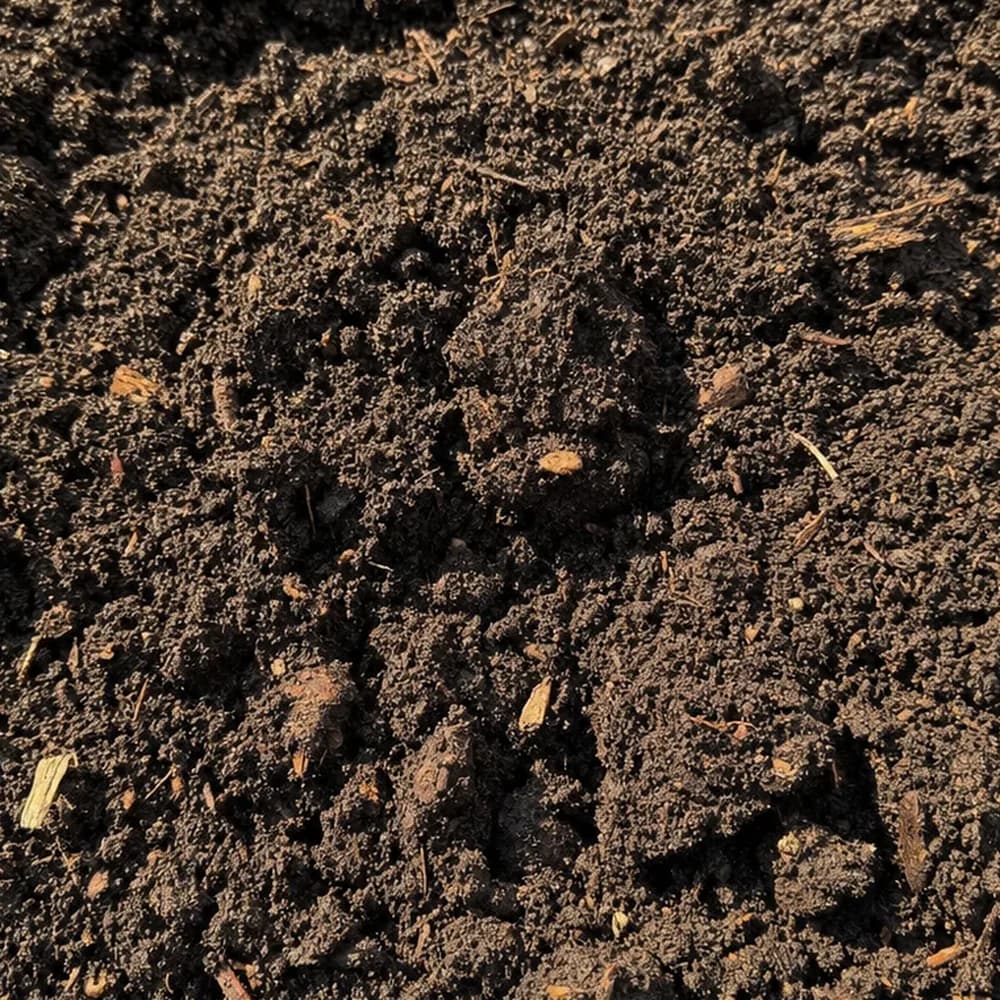
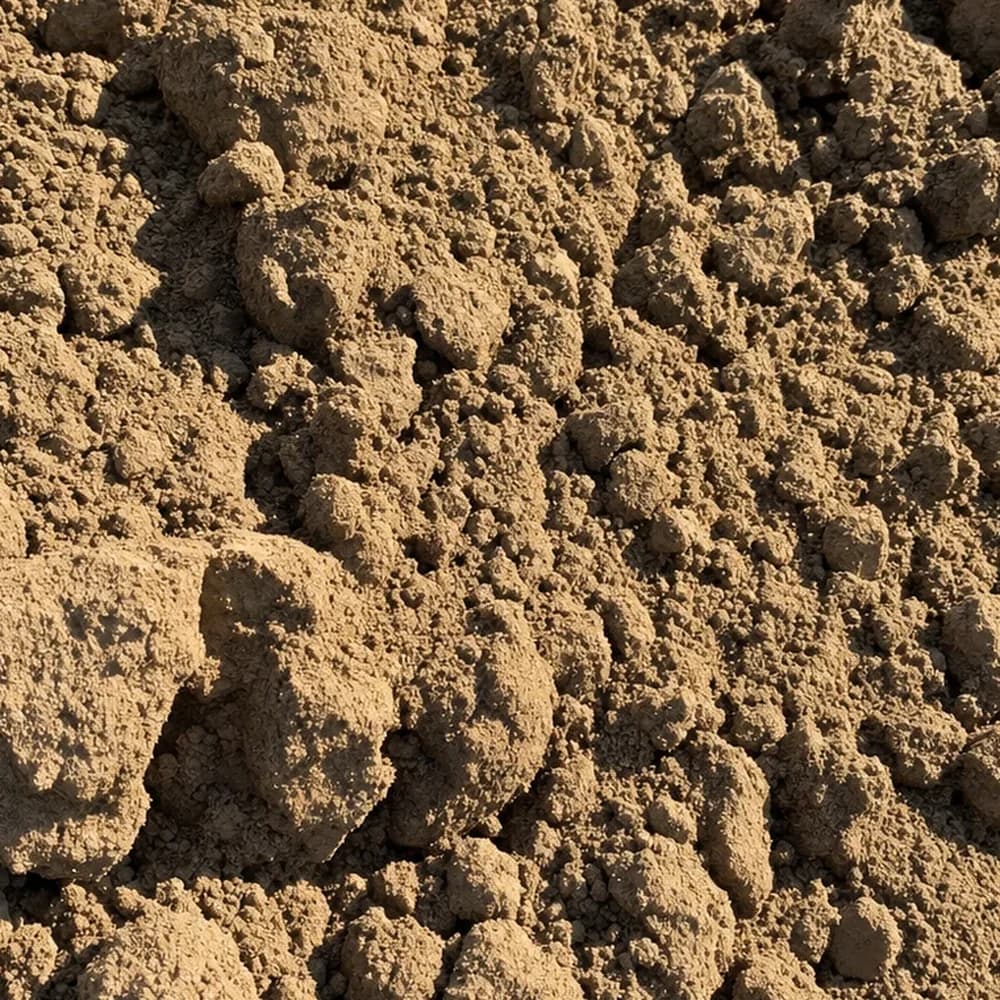
Top Soil gives Texas lawns, garden beds, and landscape areas a clean, workable layer for planting, grading, and soil improvement.
- Size: Screened; free of rocks, debris and large clumps
- Grading: Balanced sand, silt and clay
From $420 for 1 ton, delivery included (larger loads cost significantly less per ton)
Free delivery included
Free delivery anywhere in Texas
Pick a delivery date
Weekday delivery, earliest Oct 27
“Ordered top soil from these guys and the free delivery made it super easy. They kept me updated the whole time, and I'm really happy with how it all turned out.”
Jeff D. · Verified Buyer
Get a Free Quote
Fill out the form and our sales team will get back to you within the hour.
Size and Grading
- Size
- Screened; free of rocks, debris and large clumps
- Grading
- Balanced sand, silt and clay
The thing that decides a soil job in this state is not a date on the calendar, it is the gap between a wet spell and the next long run of heat. Clay ground has to be dry enough underneath to work without smearing, and whatever you plant into fresh Top Soil needs enough mild weather afterwards to get roots down before the ground starts baking. Miss that window and you are watering a bare patch for weeks.
Reading the window between a wet spell and the heat
Soil work here is governed by moisture rather than frost. Spread soil onto saturated clay and you seal the surface, leave a pan the roots cannot get through, and lose half your material into ruts from the wheelbarrow. Spread it into the teeth of a heat run and the seed or sod is fighting for water from day one.
Wait until you can walk the area without the ground printing under your boot, and check the forecast for a stretch of settled weather rather than a single dry day. Heavy downpours are what move fresh soil off a slope before anything has knitted into it.
Heat is the other half of the timing. Bare soil dries from the top down and a thin layer over clay can go hard in a few afternoons, so the plan for watering matters as much as the plan for spreading. If the only window you have runs into a hot stretch, cut the area you tackle rather than the depth, and finish one section properly before opening up the next.
Getting heavy clay ready before the soil lands on it
Screened Top Soil is a balanced blend of sand, silt and clay, run through a screen so it carries no rocks, roots, debris or large clumps. That means it spreads and grades easily, but it also means it will do whatever the ground underneath it is doing.
Scarify or rip the surface of the existing clay before placing soil over it, so the two layers key together instead of separating into a slab of imported soil sitting on a hardpan. Pull the finished grade away from any slab, wall or foundation. On ground that swells and shrinks with moisture, the last thing you want is a soft, water-holding layer sloped back towards a structure.
A side-yard dog run that has been worn to bare clay
The strip down the side of a house takes the worst of it: constant traffic, little sun and ground packed to concrete. Take a run 8 feet wide and 55 feet long: 440 square feet. At three inches: 440 x 3 ÷ 12 = 110 cubic feet, ÷ 27 = 4.1 cubic yards. This site publishes roughly 2,200 lb per cubic yard for screened topsoil, about 1.10 tons per yard, so 4.1 x 1.10 is approximately 4.5 tons. This is a worked example, not a real installation, so put your own measurements through the soil calculator.
Three inches is enough to establish grass and still lets roots reach down into the loosened ground beneath. Going deeper on a narrow strip usually just raises it above the fence line and sends water into the neighbor's bed. Where the run is genuinely worn to hardpan, break the surface up first; soil laid onto polished clay sits on it rather than joining to it, and the dogs will have it back to bare ground by the second season.
Bringing the verge back after a turnaround pad goes in
New hardscape leaves a scar around it. Once a turnaround or parking pad has been built and compacted, the strip either side is churned, low, and full of whatever the machine dragged across it. That edge is where soil goes.
For a border 6 feet wide running 70 feet along the pad: 420 square feet, x 4 ÷ 12 = 140 cubic feet, ÷ 27 = 5.2 cubic yards. Set the finished soil level slightly below the pad edge so runoff comes off the hard surface and onto ground that can take it, rather than damming against the lip.
Capping a French drain run along the foundation
A drain trench backfilled with open stone has to be closed off at the top, otherwise the stone silts up from above and the lawn has a gravel stripe through it. Soil is the cap.
For a 60-foot run with a 1.5-foot-wide trench capped at six inches: 60 x 1.5 = 90 square feet, x 6 ÷ 12 = 45 cubic feet, ÷ 27 = 1.7 cubic yards. Lay fabric over the #57 Limestone before the soil goes on, so the two never mix. Mound the cap slightly proud of the surrounding lawn, because the trench will settle more than the ground either side of it.
What the first six weeks do to a fresh layer
Freshly placed soil is full of air. Watering and the first heavy rain drive that air out, and a loose layer typically loses something like a fifth of its depth as it settles in. That is why a three-inch spread ends up looking like two and a half, and why ordering to the finished depth leaves you short.
Water it in rather than compacting it hard. Rolling a lawn area flat defeats the purpose of bringing in workable soil at all. Through the first summer, keep an eye on the low spots and top-dress the dips rather than re-doing the whole area. Where beds want more organic content than a general-purpose soil carries, garden soil is the graded-up option, and shredded mulch over the top holds moisture through the dry months.
When your numbers are settled, including the five percent the topsoil calculator adds by default, choose a date; the truck needs a clear run to the drop and somewhere to tip that is not the middle of the lawn you are about to plant. If the site is awkward, sketch it and send it through the quote request, or check first that the address is covered on the Texas delivery areas page. Texas Rock Supply arranges the delivery from the ZIP you enter at checkout.
Quickly Calculate How Much You Need
Material: Top Soil
How to Measure
Measure the length and width of your project area in feet
Decide on depth in inches (2" for landscaping, 4" for driveways)
Enter the values above and we'll calculate the tonnage you need
Need help figuring out the right amount? We can help!
Call or text us at (512) 412-3378 and we'll help you calculate the right quantity for your project.
Not sure how much you need? The Topsoil Calculator has depth guides, coverage charts and worked examples for this material.
Frequently Asked Questions About Top Soil
Customer Reviews
Ordered top soil from these guys and the free delivery made it super easy. They kept me updated the whole time, and I'm really happy with how it all turned out.
Jeff D. · El Paso, TX · Verified Buyer
Got top soil from the team and the driver was friendly, plus really careful about where he dropped it. I'd definitely order again and recommend them.
Dave G. · San Antonio, TX · Verified Buyer
Ordered top soil from Texas Rock Supply and it was no fuss at all. They kept me updated the whole time, and I'm really happy with how everything turned out.
Gina F. · Fort Worth, TX · Verified Buyer
A Solid Choice
I am very pleased with how Texas Rock Supply handled my order. The quality of the top soil was just what I was looking for. I appreciated the clear communication and friendly service.
Nate J. · El Paso, TX · Verified Buyer
Ordered top soil from Texas Rock Supply and it showed up right when I needed it. The driver was friendly and really careful about where he dropped it, which I appreciated.
Kelly R. · Houston, TX · Verified Buyer
Top Soil has 5 verified customer reviews with an average rating of 4.8 out of 5.