RipRap for Texas Creek Banks, Ditches and Culvert Outfalls
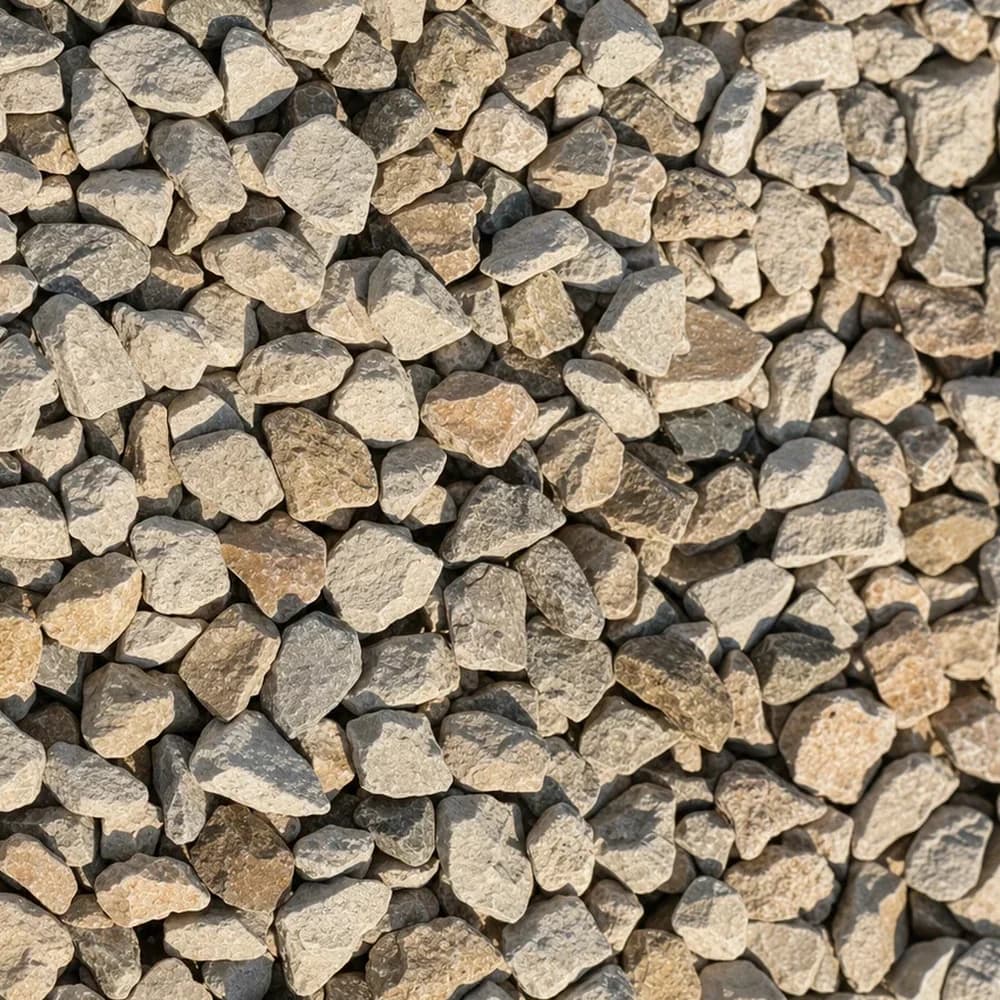
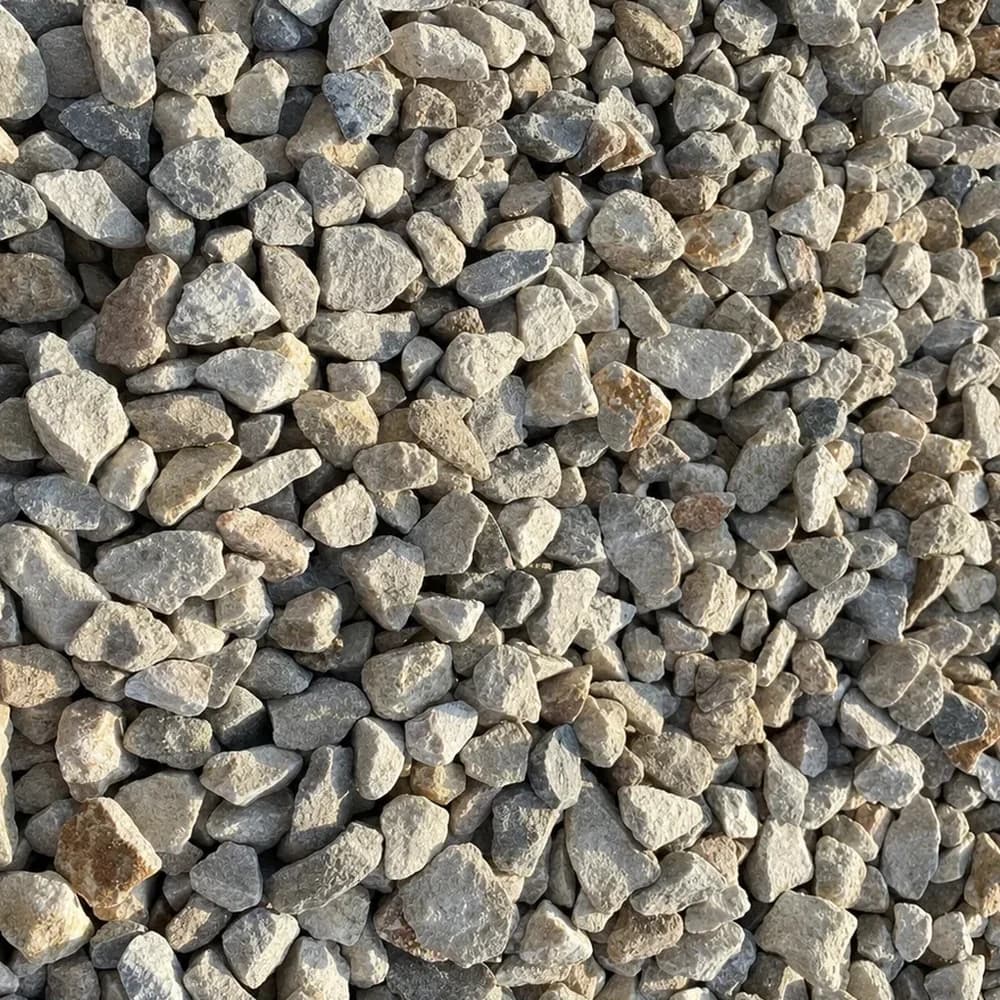
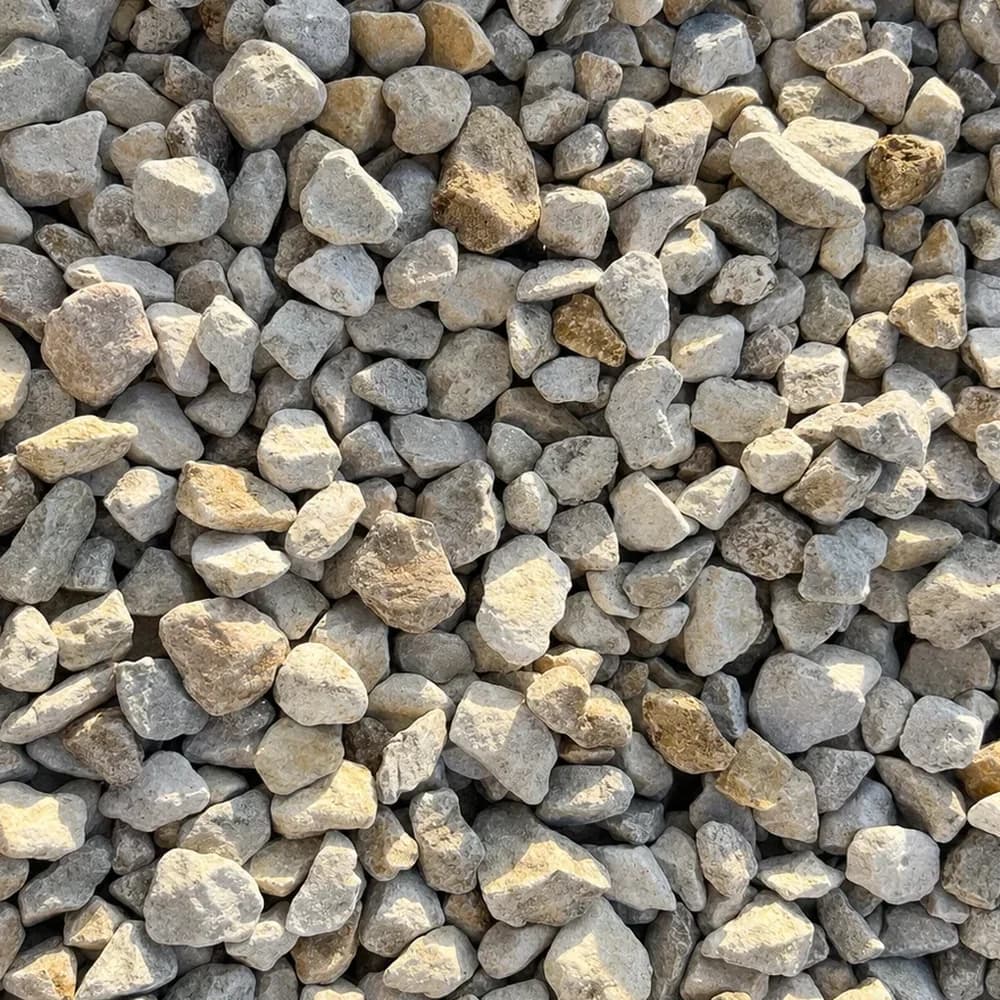
RipRap gives Texas runoff paths a heavy stone cover where water can scour exposed soil around banks, slopes, channels, and culvert outlets.
- Size: 4 inches to 12 inches and up
- Type: Large, heavy stone
From $469 for 1 ton, delivery included (larger loads cost significantly less per ton)
Free delivery included
Free delivery anywhere in Texas
Pick a delivery date
Weekday delivery, earliest Oct 27
“Decided on riprap from Texas Rock Supply and I'm really happy with how it turned out. Delivery arrived right on schedule, and I'd definitely order again and recommend them.”
Scott B. · Verified Buyer
Get a Free Quote
Fill out the form and our sales team will get back to you within the hour.
Size and Grading
- Size
- 4 inches to 12 inches and up
- Type
- Large, heavy stone
The moment to armor a bank is the dry stretch when the channel is low and a truck can actually get near it, not the week after a downpour has taken another two feet of it. Flash runoff on slopes, creek banks and stock tank edges is a high-intensity business in this state: the water arrives fast, does its damage in an hour, and leaves you looking at a vertical face where there used to be a slope. RipRap is the heavy stone cover that interrupts that cycle.
What one hour of flash runoff does to bare ground
Erosion here is not a slow process. A storm dumps more water than the ground can take, runoff concentrates into whatever low line it can find, and the flow picks up speed until it starts lifting soil. Once a channel forms, every storm afterwards uses the same line and cuts it deeper.
Two places fail first. The toe of a bank, where fast water undercuts the base and the face above eventually slumps into the channel. And the point of discharge, where a pipe or culvert fires concentrated flow straight at unprotected clay. Both are surface problems, which is why the fix is a surface of stone rather than anything buried.
Why heavy stone stays where gravel and clay will not
The material is large, heavy stone, four inches to twelve inches and up. Size is the mechanism. Moving water can lift and carry a small stone; it cannot move a piece that weighs more than the flow can shift, and once the pieces interlock, the whole armor layer has to move before any single stone does.
The other half of the job is roughness. A stone face breaks the flow up and slows it against the ground, so the water leaving the armored section has less energy to spend on whatever comes next. Shallow frost is beside the point on most of this ground. What matters is keeping fast water off bare clay, because clay that gets wet, swells, dries and cracks gives way easily once flow finds an edge.
Matching stone size to the bank you are covering
Bigger flow and taller banks want bigger stone, and the layer should be thick enough that the stones sit in it rather than on it. A cover thinner than the stones themselves is not a layer, it is a scatter, and the first storm picks it apart.
As a working rule for a small job, plan a depth at least equal to your largest pieces, and bed the stone onto filter fabric so the flow cannot pull the soil out from between it. Where the bank is tall, the channel carries real volume, or the work sits inside a drainage easement, get the section confirmed by the engineer or the county before you order, because sizing by eye stops being reliable once the flows get serious.
Armoring the outfall beside a single-car gravel driveway
The culvert under a single-car drive is a classic failure point: the pipe concentrates flow, the ditch below it gets cut out, and eventually the edge of the drive goes with it. The fix is an apron that catches the discharge and spreads it back out.
For an apron 12 feet long by 10 feet wide at twelve inches: 12 x 10 = 120 square feet, x 12 ÷ 12 = 120 cubic feet, ÷ 27 = 4.4 cubic yards. This site publishes roughly 3,100 lb per cubic yard for riprap, about 1.55 tons per yard, so 4.4 x 1.55 puts the apron at approximately 6.8 tons. This is a worked example rather than a real installation; check your own section with the stone calculator. Carry the stone up the ditch sides as well as along the bottom, because the water climbs the banks as it leaves the pipe.
Where a flagstone walkway crosses a drainage swale
A path that crosses a swale has two problems at once: the walkway has to stay put and the swale has to keep carrying water. Armoring the channel either side of the crossing gives the flow a hard bed and keeps it from undermining the path edge.
For a swale section 30 feet long by 4 feet wide at nine inches: 120 square feet, x 9 ÷ 12 = 90 cubic feet, ÷ 27 = 3.3 cubic yards. Set the stone flush with the swale bed so it is not standing proud of the grade, and keep the walkway structure itself out of the flow line. The path build wants stone screenings under the flagstone; the channel wants heavy stone.
Holding the slope above a run of raised vegetable beds
Beds cut into a slope get buried by the first storm that sends sheet flow over them. Stone above and around the beds intercepts that flow before it reaches the growing area.
For a strip 22 feet long by 6 feet wide at twelve inches: 132 square feet, x 12 ÷ 12 = 132 cubic feet, ÷ 27 = 4.9 cubic yards. Run the stone as a continuous band rather than in patches, and give the water a route past the beds instead of simply blocking it.
Fabric, toe and edges: what the first storm tests
Three details decide whether the work holds. Filter fabric under the stone, so water passes through but soil does not wash out from beneath. A toe at the bottom, dug slightly into the bank so the lowest course cannot be undercut and start the whole face sliding. And edges that key into undisturbed ground rather than stopping at a clean line, because flow will find any seam and work at it.
After that the upkeep is small: walk it after a heavy storm, look for stones that have shifted or a scour hole starting at one end, and reset or top up before the next run of weather.
Getting a heavy load as close to the water as possible
Distance is the real cost on a riprap job, because every foot between the pile and the bank is moved by hand or by machine. Work out where the truck can safely reach, allow for a clear route in, and have the drop spot marked before the day. Delivery is arranged at checkout by ZIP code, and the truck needs clean access to somewhere it can tip.
Have the fabric, a wheelbarrow or skid steer, and a couple of pairs of hands lined up before the load lands. Then measure the section, work the yardage, and set your quantity and date with Texas Rock Supply. If the bank is steep or the access is tight, call or text through the contact page and describe it before you book.
Quickly Calculate How Much You Need
Material: RipRap
How to Measure
Measure the length and width of your project area in feet
Decide on depth in inches (2" for landscaping, 4" for driveways)
Enter the values above and we'll calculate the tonnage you need
Need help figuring out the right amount? We can help!
Call or text us at (512) 412-3378 and we'll help you calculate the right quantity for your project.
Not sure how much you need? The Rip Rap Calculator has depth guides, coverage charts and worked examples for this material.
Frequently Asked Questions About RipRap
Customer Reviews
Ordered riprap from these guys, ordering was a breeze and they kept me updated the whole time.
Nate W. · Dallas, TX · Verified Buyer
Went with them for riprap and the ordering was no fuss. Delivery showed up when expected and the riprap was exactly what I needed. I'd definitely order again and recommend them.
Jennifer F. · Dallas, TX · Verified Buyer
Went with this company for riprap, and I'm really happy with how it all turned out. Pricing was fair, delivery was easy, and I'd definitely use them again.
Greg R. · Austin, TX · Verified Buyer
Decided on riprap from these guys, and the riprap was solid material.
Dave G. · San Antonio, TX · Verified Buyer
Decided on riprap from Texas Rock Supply and I'm really happy with how it turned out. Delivery arrived right on schedule, and I'd definitely order again and recommend them.
Scott B. · Houston, TX · Verified Buyer
RipRap has 5 verified customer reviews with an average rating of 4.8 out of 5.