Crusher Run: the Compacted Layer Texas Clay Needs Underneath
Crusher Run gives Texas flex-base pads and ranch roads a firm, tightly compacted layer over moisture-sensitive clay.
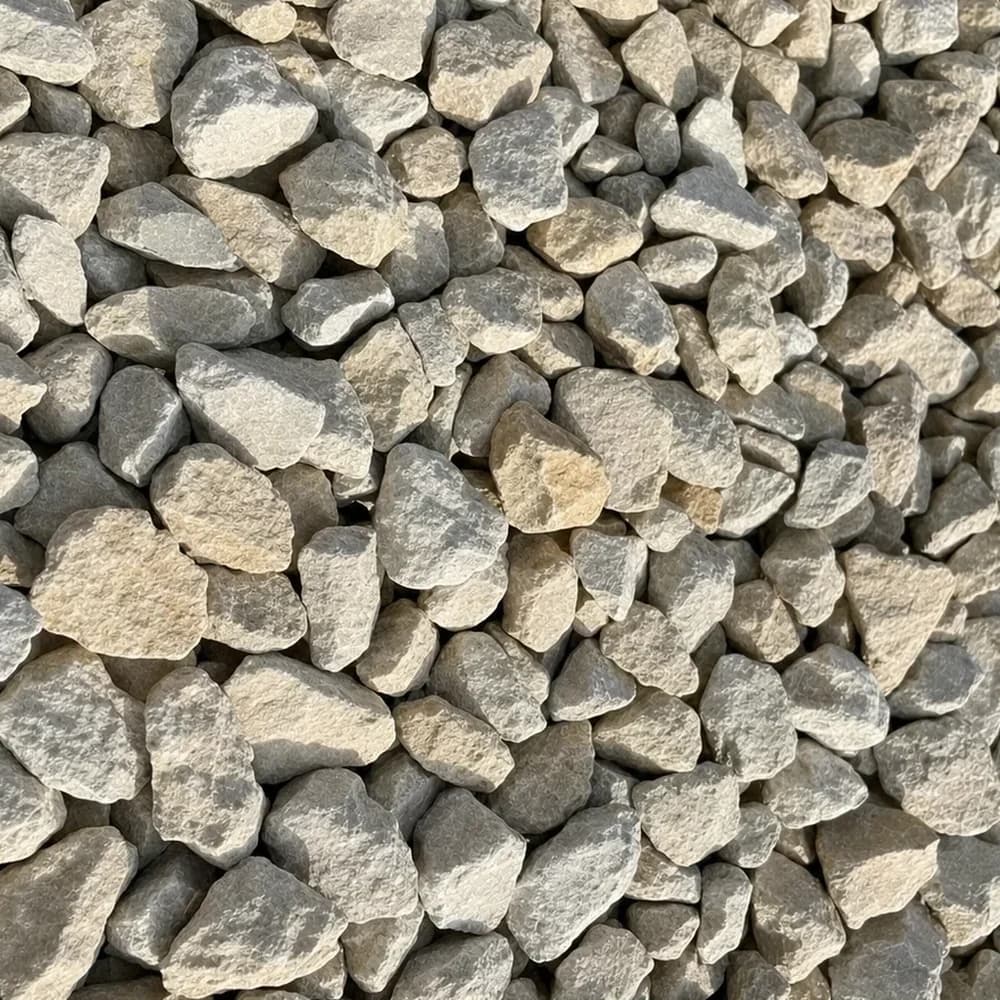
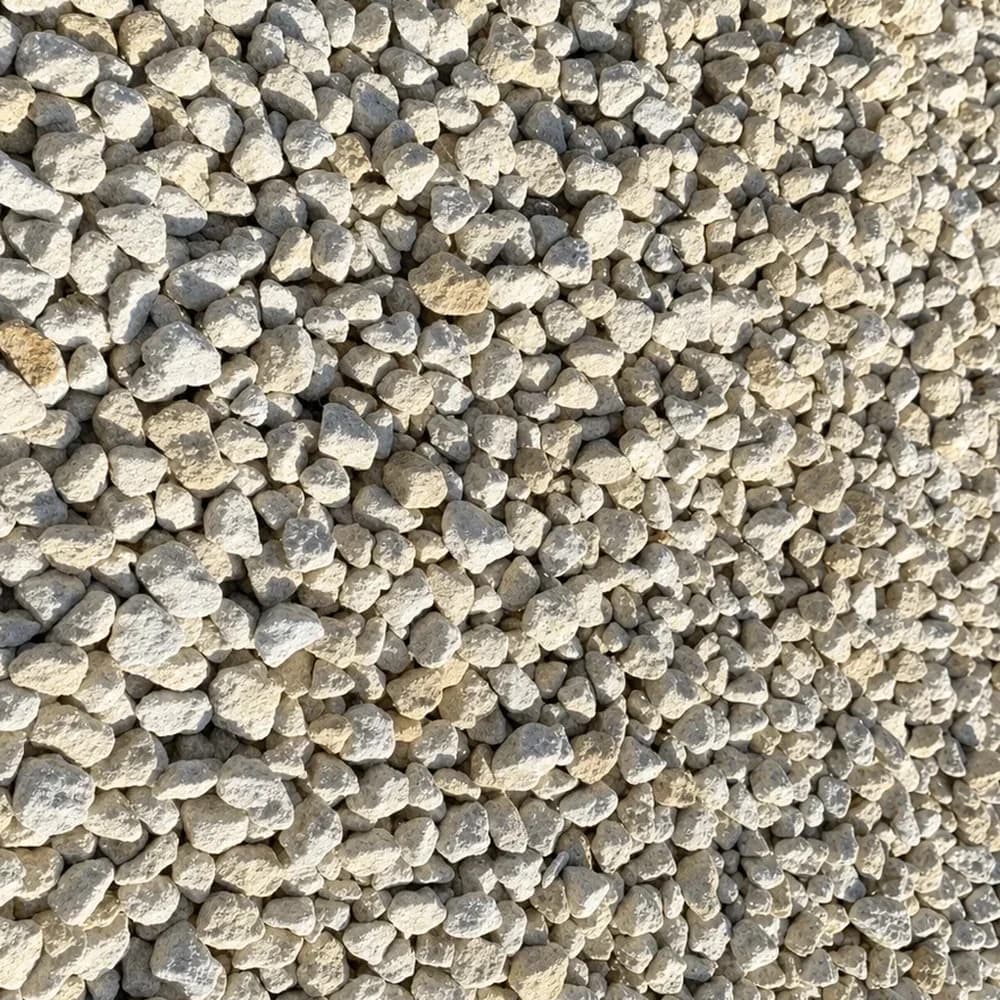
- Size: 3/4 inch minus
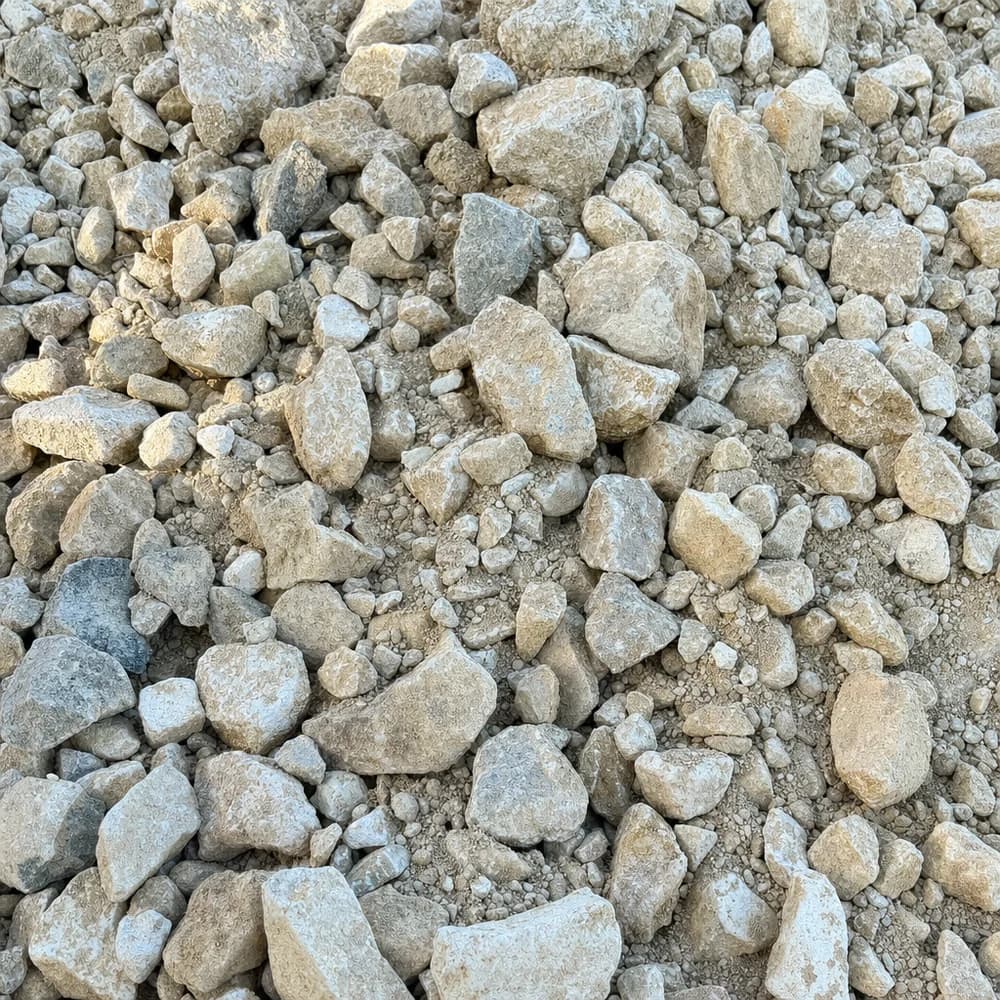
- Grading: Crushed stone blended with stone dust and fine particles
- Type: Angular crushed stone
From $424 for 1 ton, delivery included (larger loads cost significantly less per ton)
Free delivery included
Free delivery anywhere in Texas
Pick a delivery date
Weekday delivery, earliest Oct 27
“Went with them for Crushed Limestone Base and it was solid material. I'd definitely order again and recommend them.”
Diane L. · Verified Buyer
Get a Free Quote
Fill out the form and our sales team will get back to you within the hour.
Size and Grading
- Size
- 3/4 inch minus
- Grading
- Crushed stone blended with stone dust and fine particles
- Type
- Angular crushed stone
Most of the crusher run that goes out across this state is bought to fix one mistake. A pad or a lane gets surfaced with loose stone laid straight onto clay, a wet week arrives, and by the time the first loaded trailer has crossed it there are ruts deep enough to catch a bumper. Black gumbo and the heavy clays through the Blackland Prairie take water in, swell, then hand the volume back through a dry August. Anything resting on that ground without a compacted layer between travels with it. This is the material that layer is built from: crushed stone graded all the way down through its own dust, angular throughout, 3/4 inch minus, listed here as Crusher Run and called crushed limestone base on most job sites in Texas.
Timing a base job around the wet spells, not the calendar
Cold almost never stops work here. Wet does. Clay holds moisture for days after a storm passes, and a subgrade that still gives underfoot will swallow material rather than support it. On the Gulf Coast the pattern is tropical rainfall arriving in volume; through North Texas it is the spring storm line; out west it is weeks of nothing followed by an inch in an hour.
The practical rule is to place base when the ground has firmed but has not gone to concrete. Damp clay keys with the first lift. Bone-dry summer clay in the Hill Country sheds the fines instead of taking them, and you end up watering the lift anyway. Frost is not the driver on this material outside the Panhandle, so plan around the rain gauge.
Getting clay subgrade firm enough before the crusher run lands
Strip the grass and the organic layer first. Both keep settling under load and both hold water against the underside of your new base. Then shape the fall, because grading is the only drainage this material gets: the fines that make it lock up also close the voids that a washed stone relies on, so water has to leave across the surface, not through it.
Crown a lane down the middle. Slope a pad away from the structure on every side. Run the fall toward somewhere that can take the water, which on a property with any slope usually means a swale or a ditch line rather than the neighbor's fence. Compact the subgrade before a single load lands, then place in shallow lifts and compact each one. A plate compactor handles pads and turnarounds; a lane wants a roller.
A side-yard dog run, a turnaround pad, and the drain line that wants something else
Three jobs that come up constantly, with three different answers.
A side-yard dog run is light-duty. Four inches of compacted base gives the dogs firm footing and takes the mud out of the equation, and most owners then cap it so paws stay clean. A turnaround or parking pad carries real weight and wants six inches under a car, more where a loaded pickup or a trailer turns on it. A French drain along a foundation wants none of this material at all: it is built to shed water, not carry it, and fines packed into a drain trench are how a drain silts itself shut in a season. That job takes an open washed rock such as #57 Limestone, or drain rock where a wall is involved.
| Job on the property | Compacted depth | What goes on top |
|---|---|---|
| Side-yard dog run | 4 inches | Walkway Gravel or nothing |
| Shed or hot tub pad | 4 to 6 inches | Slab, gravel or timber frame |
| Car turnaround | 6 inches | Driveway Gravel |
| Ranch lane taking loaded trucks | 8 inches or more, in lifts | Surfacing course |
| Patio or flagstone walk | 4 inches | Stone Screenings |
Forty by twenty-four feet of turnaround, worked through
Take a turnaround at the end of a drive, 40 feet by 24 feet, built at six inches of base. The area is 40 x 24 = 960 square feet. Six inches is half a foot, so 960 x 6 ÷ 12 = 480 cubic feet. Divide by 27 and the order is 17.8 cubic yards of loose material before compaction. This site publishes roughly 3,000 lb per cubic yard for crusher run, about 1.50 tons per yard, so 17.8 x 1.50 is approximately 26.7 tons.
The dog run beside the house runs the same way at a lighter depth. Eight feet by 30 feet is 240 square feet; at four inches, 240 x 4 ÷ 12 = 80 cubic feet, which is 3.0 cubic yards. Both figures are worked examples rather than jobs that were built, so measure your own ground and put the numbers through the crusher run calculator, which converts cubic yards to tons and adds a ten percent extra by default for spreading loss.
Holding the crown after the first Gulf downpour
A compacted base gains strength as it sits, but it does not defend its own shape. What wears out first is the crown, because tires track in the same two lines and push material to the edges. A pass with a box blade or a landscape rake once a year puts the shape back before the ruts start collecting water, and standing water in a rut is what turns a firm lane soft again.
Watch the low end of a lane after heavy rain. If silt is washing out of the edge, the fall is sending water along the surface instead of off it, and a shallow swale beside the lane solves more than another load of stone will. When you have a figure you trust, set the quantity and the delivery date on the Crusher Run page and confirm the ZIP at checkout, or check that your address is served on the Texas delivery areas page first.
Quickly Calculate How Much You Need
Material: Crusher Run
How to Measure
Measure the length and width of your project area in feet
Decide on depth in inches (2" for landscaping, 4" for driveways)
Enter the values above and we'll calculate the tonnage you need
Need help figuring out the right amount? We can help!
Call or text us at (512) 412-3378 and we'll help you calculate the right quantity for your project.
Not sure how much you need? The Crusher Run Calculator has depth guides, coverage charts and worked examples for this material.
Frequently Asked Questions About Crusher Run
Customer Reviews
Went with them for Crushed Limestone Base and ordering was painless. Delivery showed up when expected and the material was exactly what I needed.
Stephanie V. · San Antonio, TX · Verified Buyer
Got Crushed Limestone Base from the team and the free delivery was a huge plus. Driver was friendly and careful about where he placed it, really happy with the whole thing.
Paul H. · Dallas, TX · Verified Buyer
Ordered Crushed Limestone Base from them and was really happy with how easy it all went. Free delivery was a huge plus, and the material showed up right when I needed it.
Stephanie H. · Corpus Christi, TX · Verified Buyer
Went with them for Crushed Limestone Base and it was solid material. I'd definitely order again and recommend them.
Diane L. · San Antonio, TX · Verified Buyer
Had Crushed Limestone Base delivered by the team and everything showed up right when they said it would. I'd definitely order again and recommend them to anyone needing material.
Maria I. · Houston, TX · Verified Buyer
Crusher Run has 5 verified customer reviews with an average rating of 5 out of 5.