#89 Crushed Stone for Texas Paver Joints and Flagstone Beds
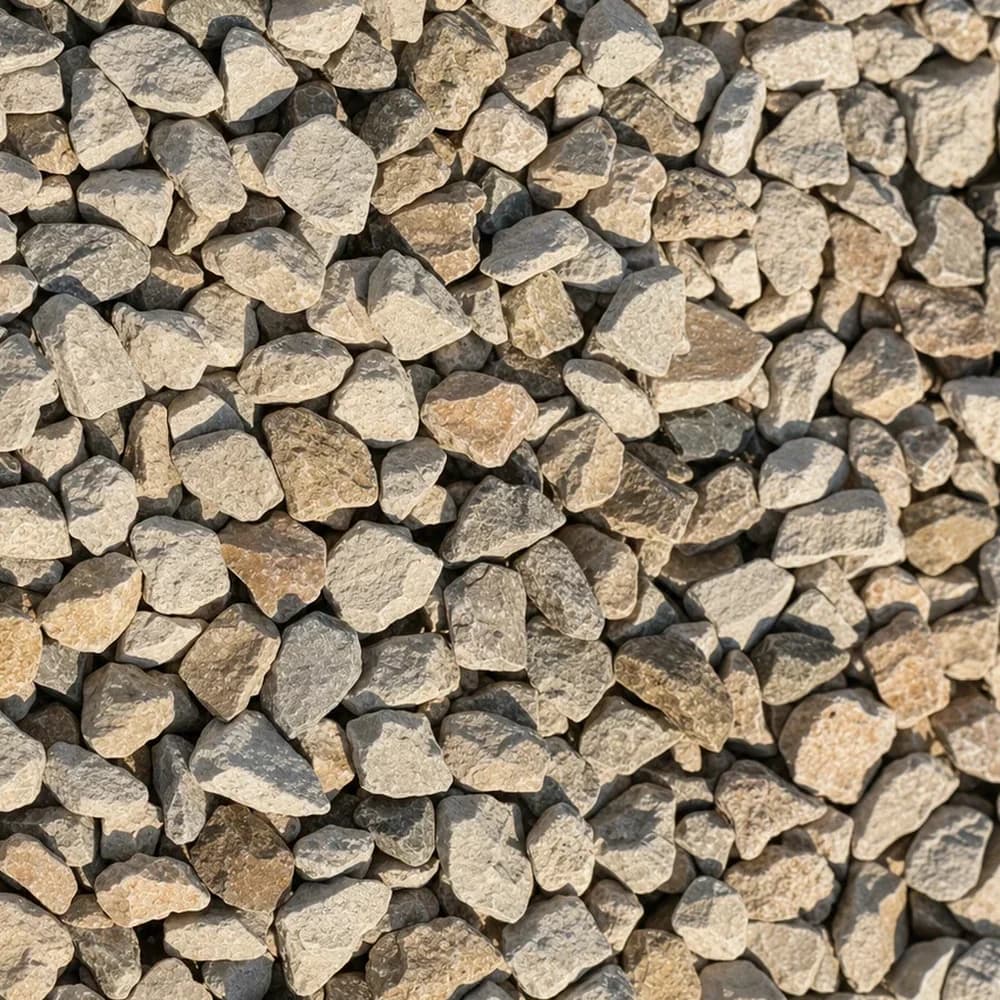
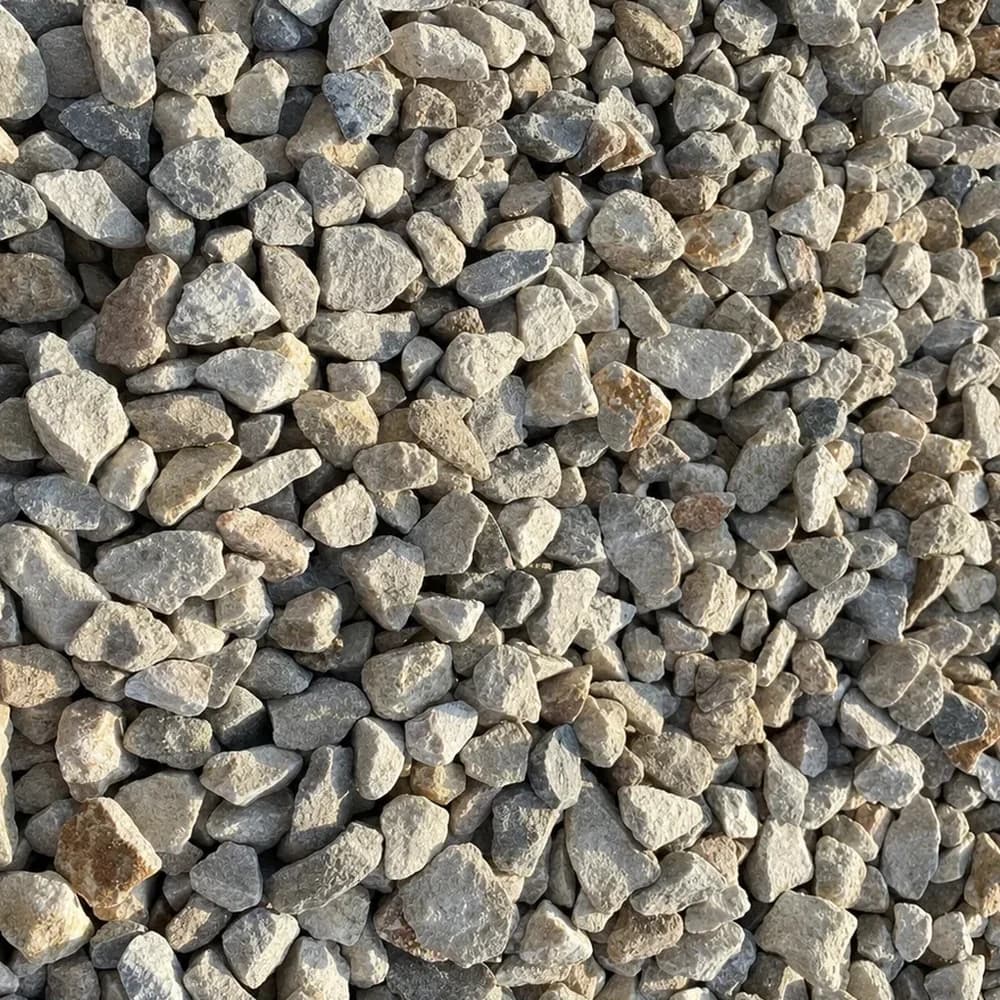
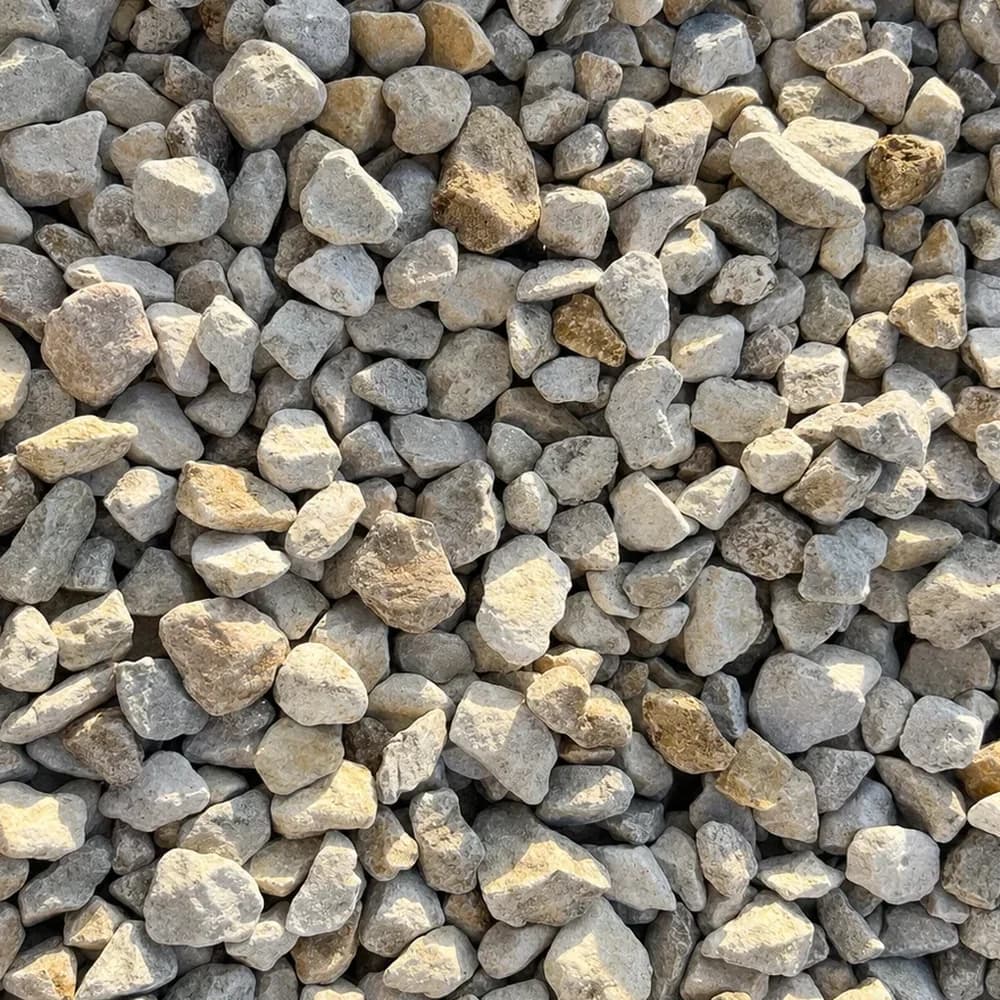
In Texas, #89 Crushed Stone provides a tight, compactable fill for paver joints, flagstone bedding, chip-seal surfaces, and concrete mixes.
- Size: About 3/8 inch down to fines
- Grading: #89, carries some fines
- Type: Angular crushed stone
From $469 for 1 ton, delivery included (larger loads cost significantly less per ton)
Free delivery included
Free delivery anywhere in Texas
Pick a delivery date
Weekday delivery, earliest Oct 27
“Got crushed stone from this company and I'm really happy with it. Delivery showed up when they said it would, which made the whole job easier. I'd order from them again.”
Tom V. · Verified Buyer
Get a Free Quote
Fill out the form and our sales team will get back to you within the hour.
Size and Grading
- Size
- About 3/8 inch down to fines
- Grading
- #89, carries some fines
- Type
- Angular crushed stone
The question on most hardscape orders in this state is which of two small crushed stones goes into the joints, and the two look close enough in a photograph that crews get it wrong. One is washed clean and stays open so water drops through. The other is #89 crushed stone, which runs from about three eighths of an inch down into its own fines, so it nests, knits and closes. On ground that swells through a wet spring and shrinks back through August, a flagstone that can rock is a flagstone that eventually lifts, and this is the material bought to stop that happening.
#89 crushed stone in the joint: what 3/8 inch down to fines means
The spec is short and the behavior follows directly from it. Pieces top out around three eighths of an inch and the gradation continues down through progressively smaller material into dust, all of it angular crushed rock rather than rounded.
Angular faces mean the pieces catch on each other rather than rolling past. The fines mean there is small material available to press into every gap between them. Sweep the mix into a joint, wet it, and it goes firm: not cemented, but tight enough that a paving unit has nothing left to move into. That is the entire argument for the gradation, and it is also the reason it has no place in anything that has to drain.
Joint, bed or chip seal: where Texas crews put it and where they must not
| The job | Right pick? | What to know |
|---|---|---|
| Filling flagstone and paver joints | Yes | Sweep dry, wet, let it settle, top up and repeat |
| Bedding under a walkway or patio unit | Yes | A thin screeded seat over a compacted base |
| Chip seal surfacing | Yes | Small angular gradation is what the process asks for |
| Concrete mixes | Yes | Where a spec calls for a small coarse aggregate |
| Permeable paver systems | No | Fines close the voids the system depends on |
| Drain trenches and wall backfill | No | Use a washed stone with no fines |
| A pad or lane surface | No | It is a finishing material, not a structural layer |
The line running through that table is the same one: this stone is for close-fitting finish work. Anywhere water has to pass through the material, the #8 gradation or a larger washed stone does the job instead.
Fines, gumbo clay and getting the water off the patio
Clay here moves with moisture, and that movement is what breaks up hardscape long before anything wears out. Joint fill and bedding do not stop the clay moving. What they do is remove the small gaps that let individual units travel independently, so a patio behaves as one surface rather than as forty loose pieces.
The rest is drainage, and it happens in the grading rather than in the material. Fall away from the slab, a route for water at the edge of the paving, and a compacted crushed limestone base underneath that is not sitting in a bathtub of wet clay. Since this stone closes rather than drains, the patio has to shed water across the top, which means the fall has to be real and not notional.
A 16 by 20 patio bed, a stock tank edge and a site entrance
Three jobs that land on this page, with one of them right and two of them wrong.
A 16 by 20 foot paver patio is 320 square feet. As a bedding course at one inch, the sum is 320 x 1 ÷ 12 = 26.7 cubic feet, and 26.7 ÷ 27 = 1.0 cubic yard. This site publishes roughly 2,800 lb per cubic yard for #89 and #8 chips, about 1.40 tons per yard, so that one yard of bedding is approximately 1.4 tons. Joint fill on the same patio is much smaller: if roughly eight percent of the surface is joint, that is about 25.6 square feet, and at two inches deep 25.6 x 2 ÷ 12 = 4.3 cubic feet, around 0.16 of a cubic yard. Order the joint fill generously anyway, because it settles and wants topping up two or three times.
A pond or stock tank edge is not this stone's job. Water lapping an edge carries fine material away on the first windy week, and armoring a bank takes RipRap sized to the water. A construction entrance is the other miss: 20 by 50 feet at six inches is 1,000 square feet, then 1,000 x 6 ÷ 12 = 500 cubic feet, or 18.5 cubic yards, and building that from a fine-knitting stone gives you a mud surface within a week. Entrances want coarse open rock such as #4 Crushed Stone. All three figures are worked examples rather than installed jobs, so measure your own area and use the stone calculator for the tonnage and the five percent it adds by default.
Quantity, date and a drop spot the wheelbarrow can reach
Joint fill is a small order that gets carried in buckets, so where the pile lands matters more than usual. Ask for a drop close to the work and on a tarp or a hard surface, since the last wheelbarrow-load off bare clay comes up with clay in it, and in a joint that shows.
Pick the quantity and the delivery date at checkout, where the ZIP sets the delivery, and make sure the truck has a clear route to the spot you have marked. If the patio needs base, bedding and joint fill on one load, call or text through the contact page and Texas Rock Supply can work the three figures together before anything is scheduled.
Quickly Calculate How Much You Need
Material: #89 Crushed Stone
How to Measure
Measure the length and width of your project area in feet
Decide on depth in inches (2" for landscaping, 4" for driveways)
Enter the values above and we'll calculate the tonnage you need
Need help figuring out the right amount? We can help!
Call or text us at (512) 412-3378 and we'll help you calculate the right quantity for your project.
Not sure how much you need? The Stone Calculator has depth guides, coverage charts and worked examples for this material.
Frequently Asked Questions About #89 Crushed Stone
Customer Reviews
Decided on crushed stone from them and I'm really happy with how it turned out. Pricing was fair, delivery was easy, and I'd definitely order from them again.
Tara J. · Fort Worth, TX · Verified Buyer
Got crushed stone from this company and I'm really happy with it. Delivery showed up when they said it would, which made the whole job easier. I'd order from them again.
Tom V. · Corpus Christi, TX · Verified Buyer
Decided on Texas Rock Supply for crushed stone, and I'm really happy with it because it showed up clean, consistent, and exactly what I needed.
Scott J. · Fort Worth, TX · Verified Buyer
Grabbed crushed stone from the team and it was solid material, delivery showed up as planned too.
Maria B. · Corpus Christi, TX · Verified Buyer
Ordered crushed stone from this company and it was top notch, delivery was easy, and I'm really happy with how it turned out.
Ryan N. · El Paso, TX · Verified Buyer
#89 Crushed Stone has 5 verified customer reviews with an average rating of 4.8 out of 5.