Garden Soil for Raised Beds Over Texas Clay
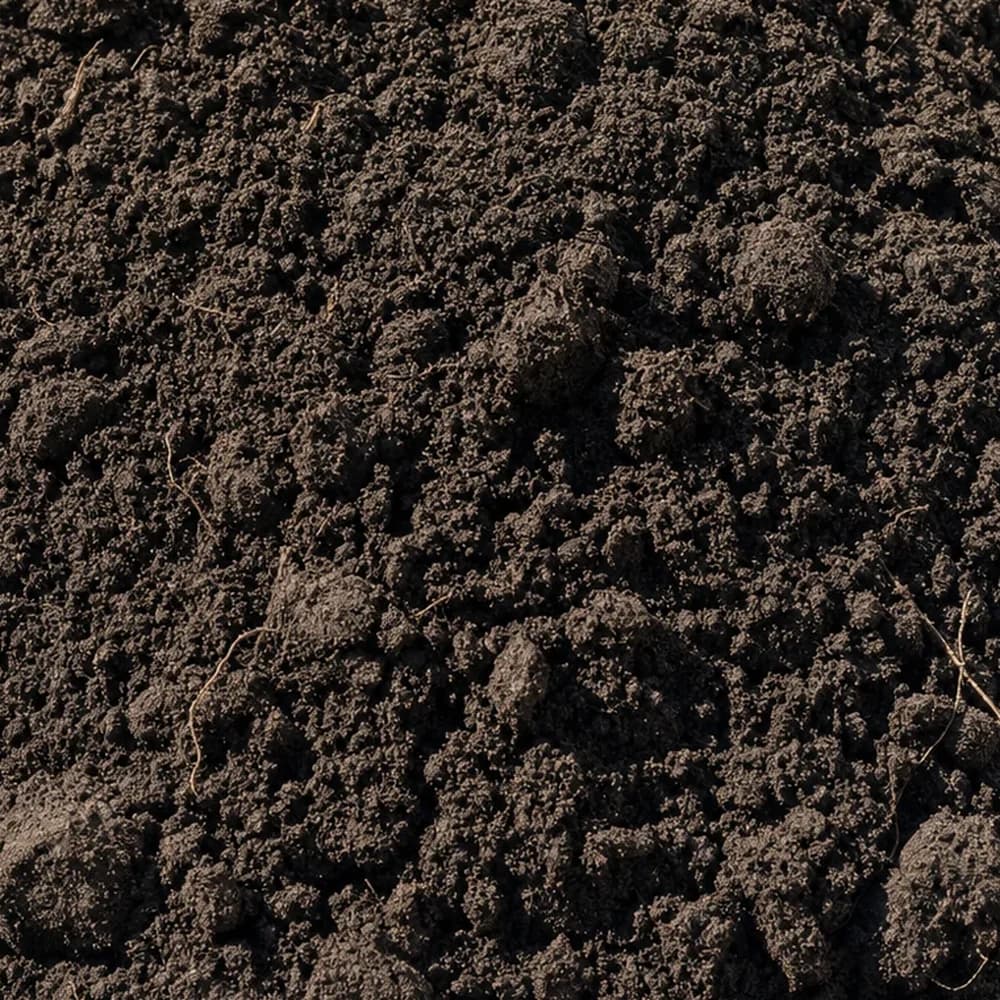
For Texas gardens on moisture-sensitive clay, Garden Soil provides a compost-enriched medium for raised planters, vegetables, and flower beds.
- Size: Nutrient-enriched soil blend
- Grading: Enhanced with organic compost
From $525 for 1 ton, delivery included (larger loads cost significantly less per ton)
Free delivery included
Free delivery anywhere in Texas
Pick a delivery date
Weekday delivery, earliest Oct 27
“Grabbed garden soil from these guys and it showed up right when they said it would. Pricing was fair, and the amount I got felt like a good value. Really happy with it and I'd order from them again.”
Heather N. · Verified Buyer
Get a Free Quote
Fill out the form and our sales team will get back to you within the hour.
Size and Grading
- Size
- Nutrient-enriched soil blend
- Grading
- Enhanced with organic compost
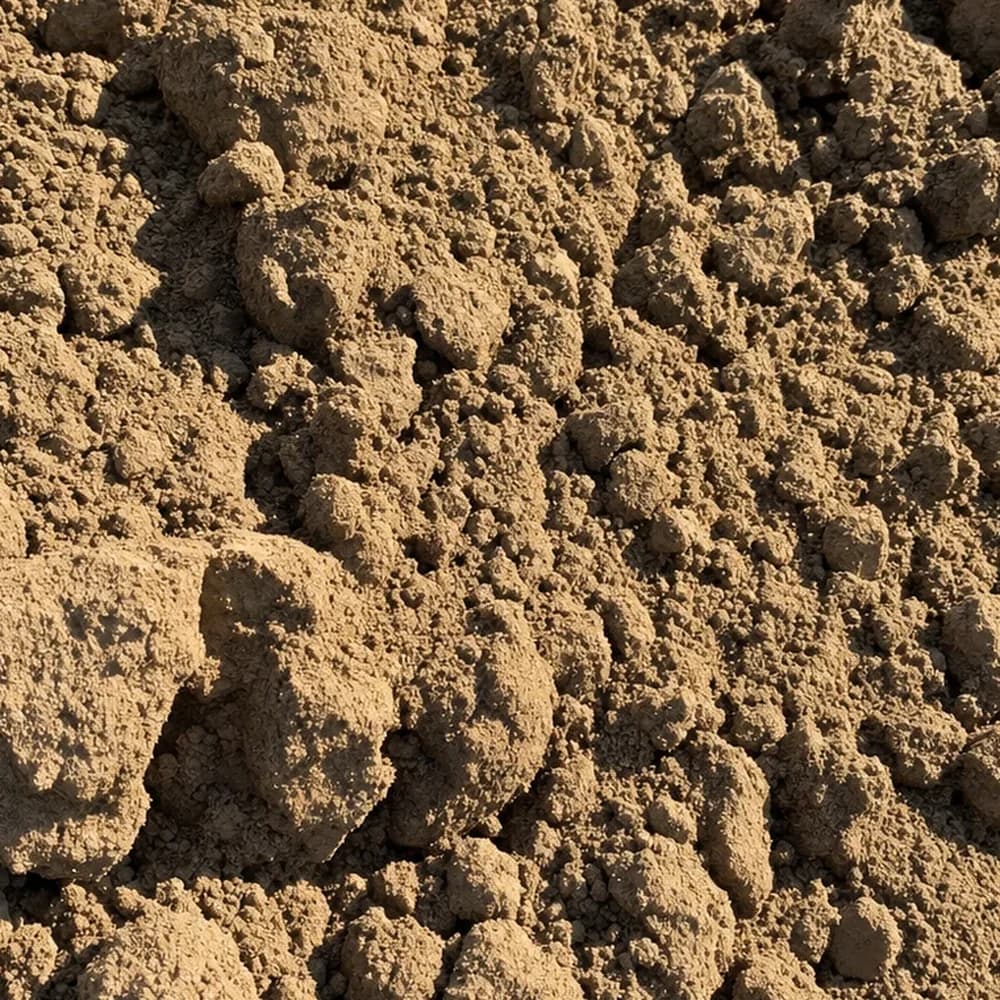
Anyone who has put a fork into black gumbo in July knows why raised beds are so common in this state. The native ground across the Blackland Prairie sets like fired brick in the heat, holds water like a pan through a wet spell, and moves under everything as it does both. Further west the problem changes shape and the trouble is caliche near the surface. Garden soil is the way round it: a nutrient-enriched blend, enhanced with organic compost, brought in to build a growing layer above the ground rather than fight the ground itself.
Choose garden soil when the native ground is gumbo or caliche
This blend is the right order in four situations.
You are filling a new raised bed or planter and want to plant into it immediately, without buying compost and amendments separately and mixing them yourself. You are rebuilding a flower bed that has been worked for years and has lost its organic matter. You are top dressing an established planting to put structure and organic material back. Or you are building a vegetable bed somewhere the native soil is genuinely hostile, which covers a great deal of Texas.
What you are paying for is the compost fraction. It is what holds moisture through a dry stretch while still letting heavy rain drain away, and on clay that is the balance that keeps roots working rather than drowning in May and baking in August.
Skip it for a dry creek bed, a fire pit surround or a pole barn pad
Three jobs turn up in the same order and none of them wants this material.
A dry creek bed needs stone. Any soil placed in a channel is gone in the first event that channel was built for, and it will take your beds with it on the way past. Texas River Rock or a larger rounded stone is the material for the job.
A fire pit surround wants something that will not burn, blow around or hold moisture against seating. A gravel or paver surface is the answer, and something like Pea Gravel is a normal pick for the ring around a pit.
A pole barn or equipment pad needs a compactable layer with fines in it, then a surface. Organic material anywhere in that stack is a liability, since compost breaks down and whatever sits on top settles with it. Flex Base is the material for a pad.
Filling a new bed to the top, and again next spring
A new raised bed takes more than people expect, and it takes it twice. Fill to the top rail rather than to a tidy line below it, because a compost-rich blend loses volume as the organic fraction breaks down and the material settles. Two to four inches down over the first season is normal, and it is not a fault with the soil.
Do not compact it. Tip it in, level it with a rake, water it thoroughly to settle the air pockets out, then leave it. Firming a growing medium by walking on it undoes the structure you paid for.
If the bed is deeper than about 18 inches, most growers fill the bottom third with a cheaper bulk material and reserve the blend for the top, since vegetable roots are working in the upper foot. On heavy clay, break the surface under the bed with a fork before you fill, so the bed and the ground below it stay connected for drainage and worms.
Where it sits in the stack: soil on top, something else underneath
Garden soil is a surface layer. Nothing structural sits on it and it does not raise a grade.
Where you are lifting the level of a whole area, the volume comes from Fill Dirt compacted in lifts, with the growing layer over the top. Where a lawn is going in, screened topsoil is the cheaper and more suitable cap, since grass does not need the compost loading that a vegetable bed does. Garden soil belongs in the top six to twelve inches of anywhere that is being planted into, and nowhere else.
On soft or poorly drained ground, get the drainage sorted before the soil arrives. A raised bed with a compost-rich fill sitting on a clay pan that holds water will drown roots at the base of the bed no matter how good the blend is.
Three 4 by 8 beds and a 40-foot border, in yards
Two hypothetical jobs, worked through.
A standard raised bed, 4 by 8 feet, filled 10 inches deep: 4 x 8 = 32 square feet. Then 32 x 10 ÷ 12 = 26.7 cubic feet, and 26.7 ÷ 27 = 1.0 cubic yard. Three of those beds comes to about 3.0 cubic yards. This site publishes roughly 2,000 lb per cubic yard for a blended garden soil, about 1.00 ton per yard, so three beds is near 3 tons.
A border strip, 40 feet long and 3 feet wide, top dressed at three inches: 40 x 3 = 120 square feet. Then 120 x 3 ÷ 12 = 30 cubic feet, and 30 ÷ 27 = 1.1 cubic yards, about 1.1 tons.
Both are examples rather than real gardens. Run your own bed sizes through the soil calculator, and order to the full depth rather than the settled one.
When the number is settled, pick a quantity and a delivery date here. Delivery is arranged at checkout by ZIP, and the truck needs clear access to a drop spot. Soil is best moved once, so put the pile within wheelbarrow range of the beds, on a tarp if it is landing on a drive, and get it into the beds before a heavy rain turns the heap into a job of its own.
Quickly Calculate How Much You Need
Material: Garden Soil
How to Measure
Measure the length and width of your project area in feet
Decide on depth in inches (2" for landscaping, 4" for driveways)
Enter the values above and we'll calculate the tonnage you need
Need help figuring out the right amount? We can help!
Call or text us at (512) 412-3378 and we'll help you calculate the right quantity for your project.
Not sure how much you need? The Soil Calculator has depth guides, coverage charts and worked examples for this material.
Frequently Asked Questions About Garden Soil
Customer Reviews
Picked up some garden soil from the team and it was a super easy experience. They kept me updated the whole time and communication was really good. I'd definitely order again and recommend them to anyone needing garden soil.
Scott A. · Dallas, TX · Verified Buyer
Needed garden soil for a big backyard refresh, and ordering was smooth from start to finish. The team got it delivered when they said they would, and I'm really happy with how it all turned out.
Gina S. · Houston, TX · Verified Buyer
Would Order Again
Texas Rock Supply was helpful throughout the order. The garden soil was consistent and easy to use. The project came together well, and I am happy with my purchase.
Megan F. · Dallas, TX · Verified Buyer
Ordered garden soil from these guys and it was painless from start to finish. Everything showed up when they said it would, and I'm really happy with it.
Stephanie D. · El Paso, TX · Verified Buyer
Grabbed garden soil from these guys and it showed up right when they said it would. Pricing was fair, and the amount I got felt like a good value. Really happy with it and I'd order from them again.
Heather N. · Fort Worth, TX · Verified Buyer
Garden Soil has 5 verified customer reviews with an average rating of 4.8 out of 5.