Guides for the Part of the Job That Sits Under the Gravel
The drive ruts out, so more rock goes on top of it, and by the next wet spell it has rutted again. Almost every question that arrives here is really a question about what is underneath: how deep the base goes, what the subgrade is doing, and whether the material was the right one to start with. These guides take those questions one at a time.
How deep does a base go over black gumbo clay?
Expansive clay along the I-35 corridor moves with the season, and a base built too thin cracks with it while water finds every low spot. This guide works through the depth that holds and the drainage that keeps it there.
How many tons of caliche does a ranch road take?
Length, width and depth give you a volume, but a ranch road is rarely one constant section, and clay subgrade and compaction both change the order. The caliche ranch road guide covers the arithmetic and the allowances.
What does TxDOT Item 247 mean for a private driveway?
Base rock here is specified as flexible base by type and grade, and Grade 1 and Grade 2 are the grades that turn up on commercial sheets. The flex base guide explains what the specification controls, how thick the compacted layer has to be, and where flex base sits against the other base rock on the list. Flex Base is the catalogue listing.
Which one should I read first?
Start with the ground. If you do not yet know what your subgrade is doing, read the clay guide before you pick a material. If the material is settled and only the quantity is open, skip the reading and take the measurements straight to the material calculator, then choose from the catalogue.
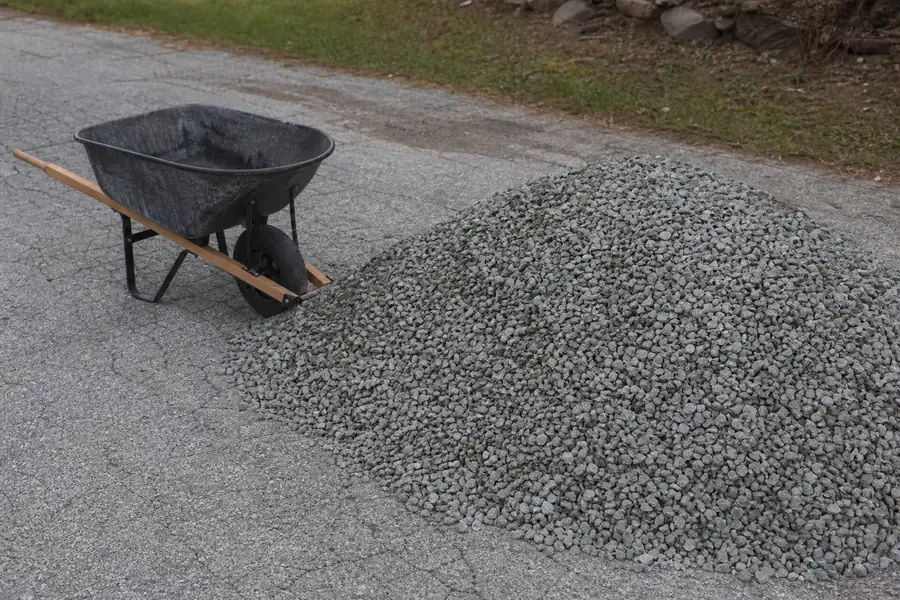
How Much Does a Yard of Gravel Weigh? Tons vs Cubic Yards Explained
One yard of gravel weighs about 1.4 tons. Get weights by material, tons-to-yards conversions and coverage per ton at 2, 3 and 4 inches.
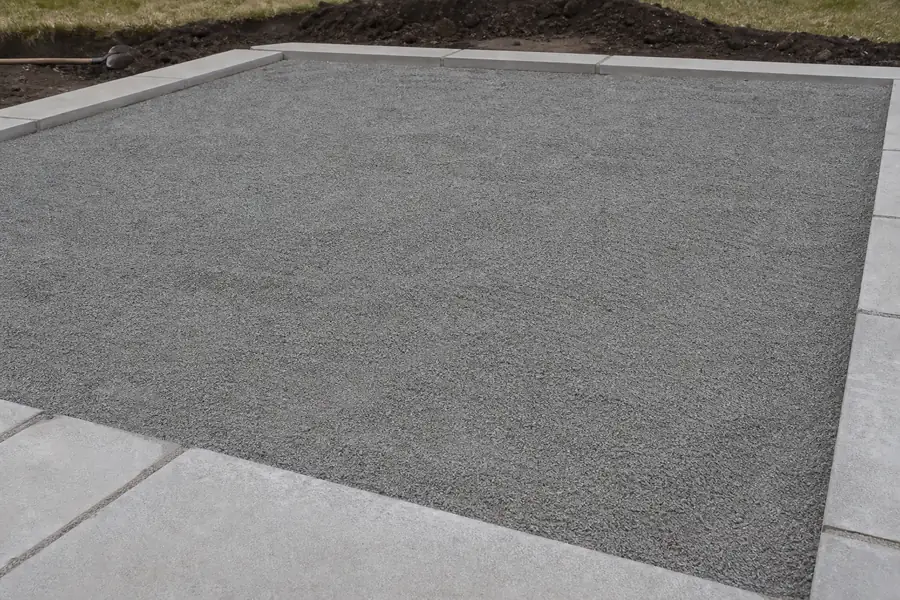
What Are Stone Screenings (Limestone Screenings) and When Should You Use Them?
What limestone screenings are, how they differ from sand and crusher run, and how to use them under pavers, flagstone and paths.
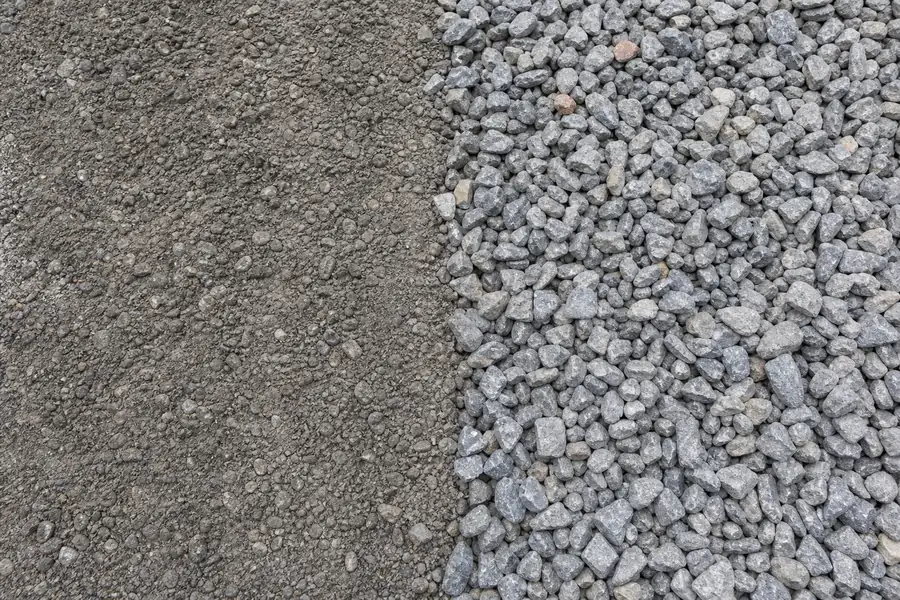
Crusher Run vs #57 Stone: Which Gravel Do You Need for a Base?
Crusher run compacts, #57 drains. See which one belongs under driveways, pads, pavers and French drains, and how much to order.
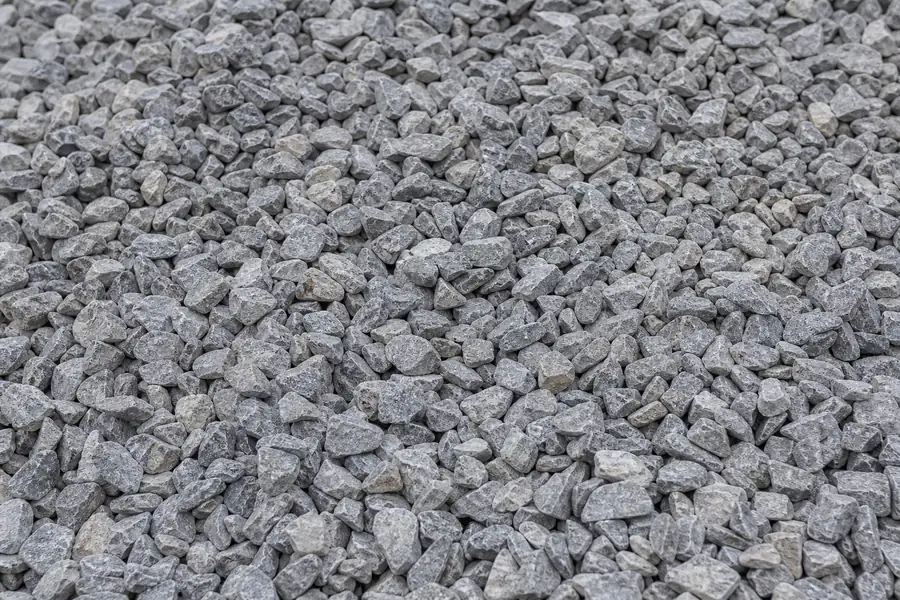
What Is #57 Stone? Size, Uses and #57 vs #67 Stone
Learn what #57 stone is, its size and best uses for drainage and concrete, how it compares to #67, and how much you need.
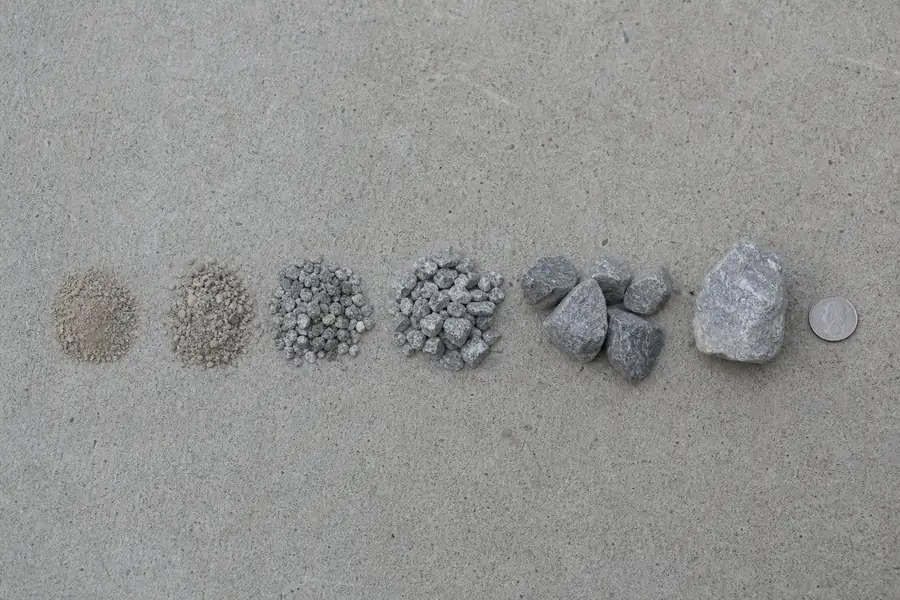
Gravel Size Chart: #57, #67, #8, 3/4 Inch and More Explained
Every common gravel size explained with photos, what the numbers mean, and the right size for driveways, drainage, paths and patios.
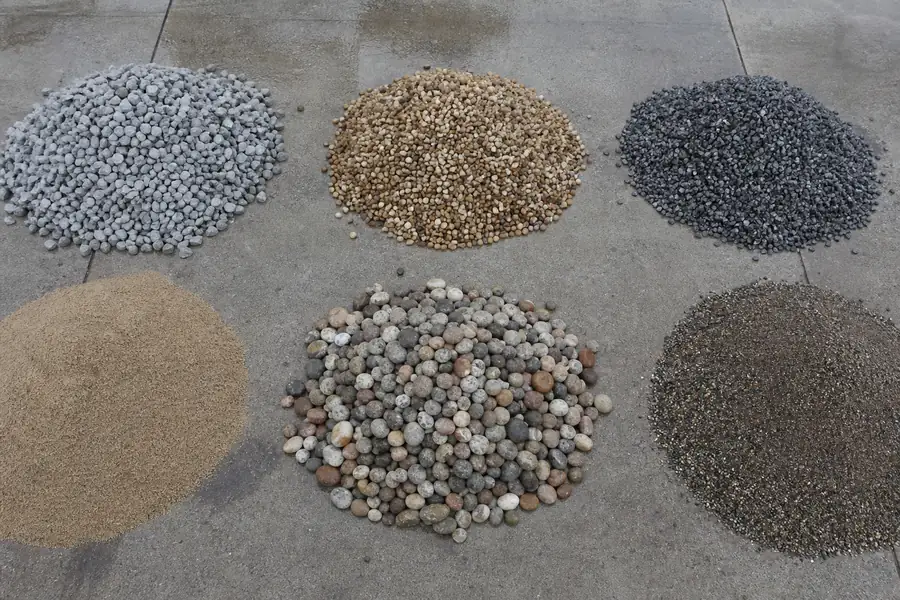
Types of Gravel for Driveways, Drainage and Landscaping (With Photos)
Visual guide to gravel types for driveways, bases, drainage, patios and beds, with sizes, cost bands and the ones to avoid.
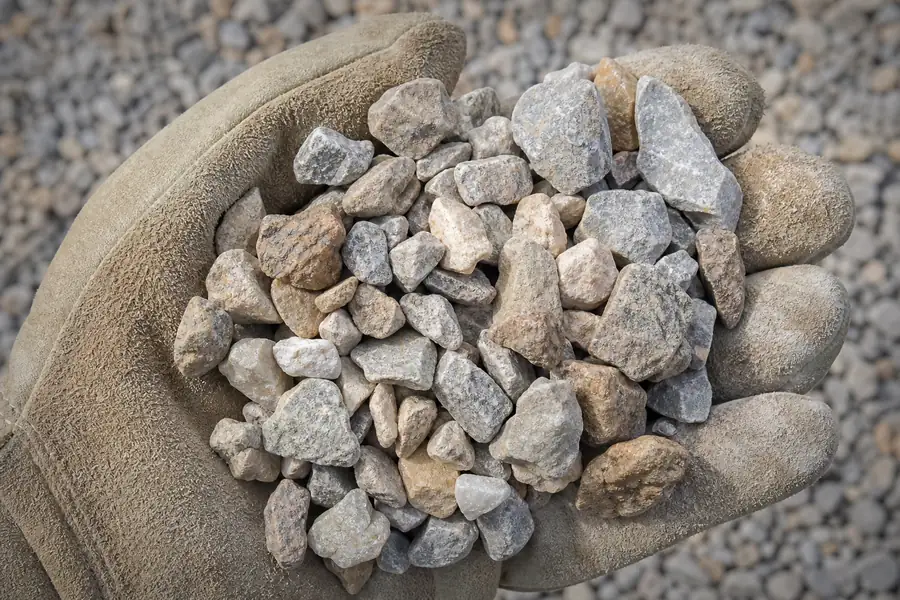
What Is Gravel? How It Is Made, Main Types and What Each One Is Used For
Plain-English guide to gravel: natural vs crushed, the main types, what each is used for, and which Texas quarries produce them.
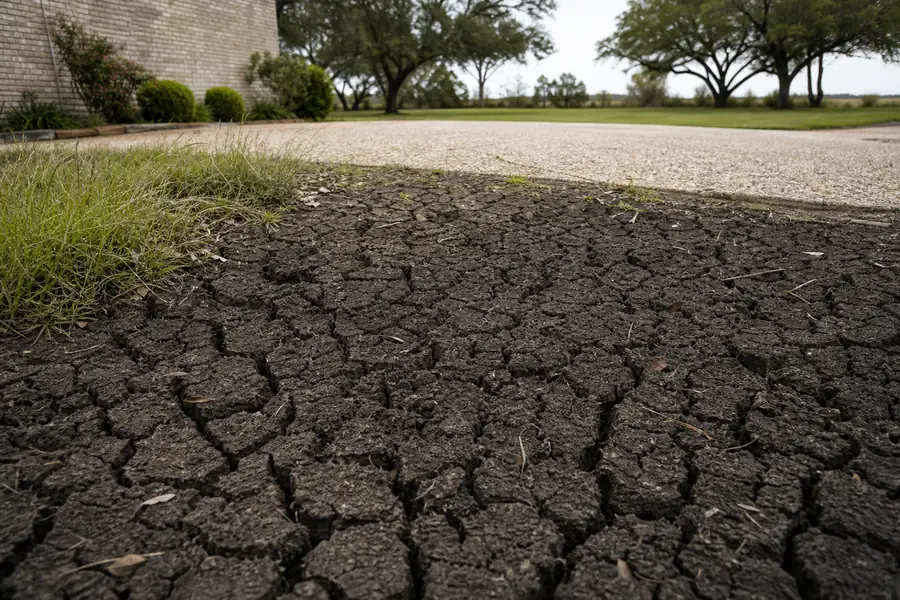
Building on Black Gumbo Clay: Base Depth and Drainage in Texas
Expansive clay across the I-35 corridor can move several inches yearly, and poor black gumbo clay drainage cracks slabs fast. Here's the base depth that holds.
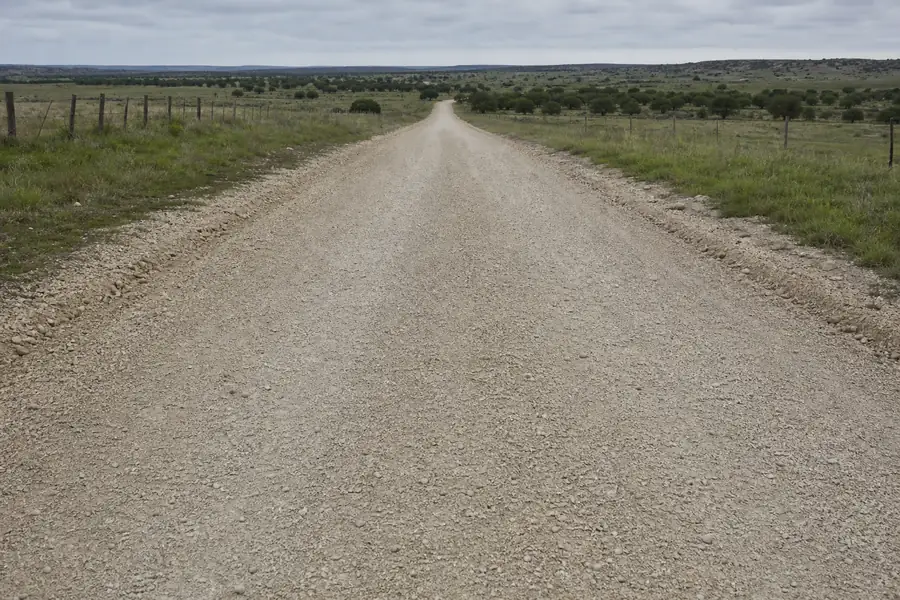
How Much Caliche Do You Need for a Ranch Road?
See how many tons a caliche ranch road needs based on width, length and depth, plus how compaction and Texas clay subgrade change your order size.
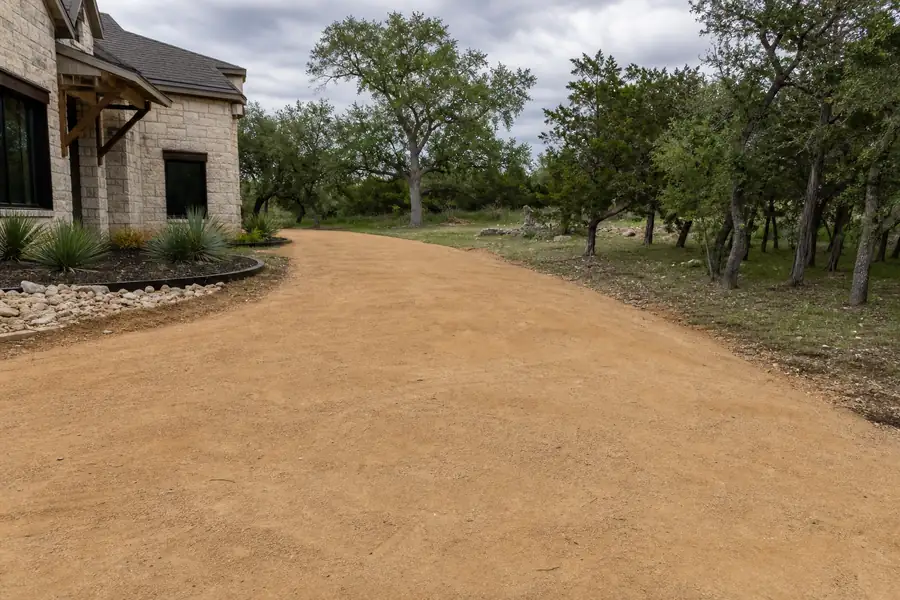
Flex Base in Texas: What TxDOT Item 247 Means for Your Driveway
Before you order flex base texas contractors trust, learn what TxDOT Item 247 controls, how thick to compact it, and how it stacks up against other base rock.
Plan the Material for Your Project
Estimate the material needed with our calculator at no cost, then browse products to choose gravel for the job.