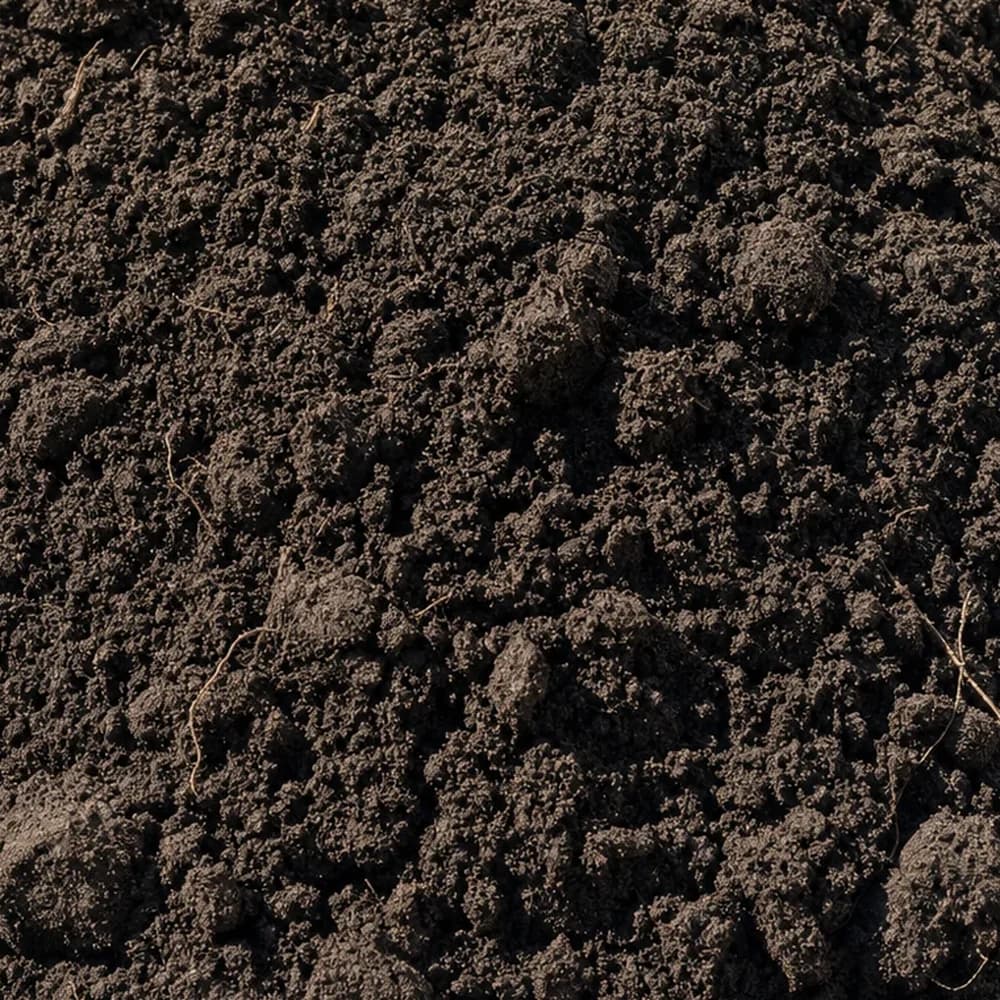
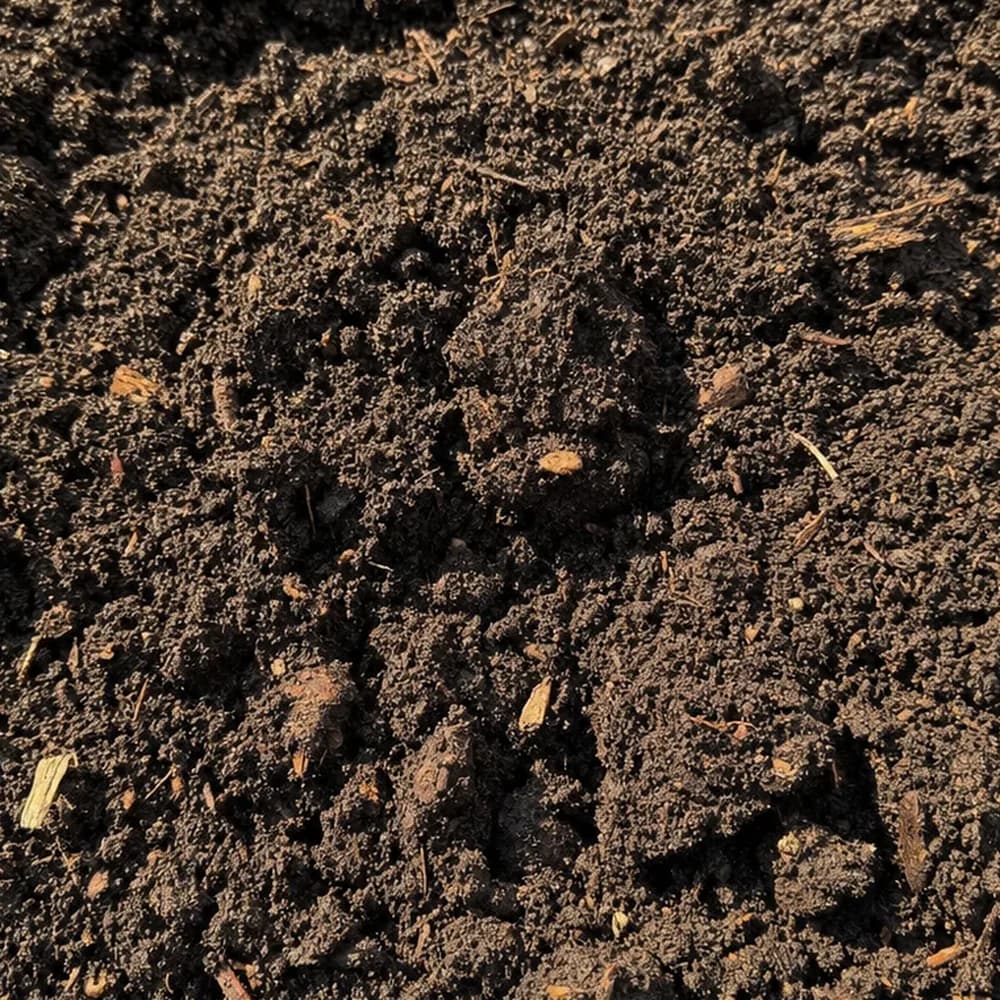
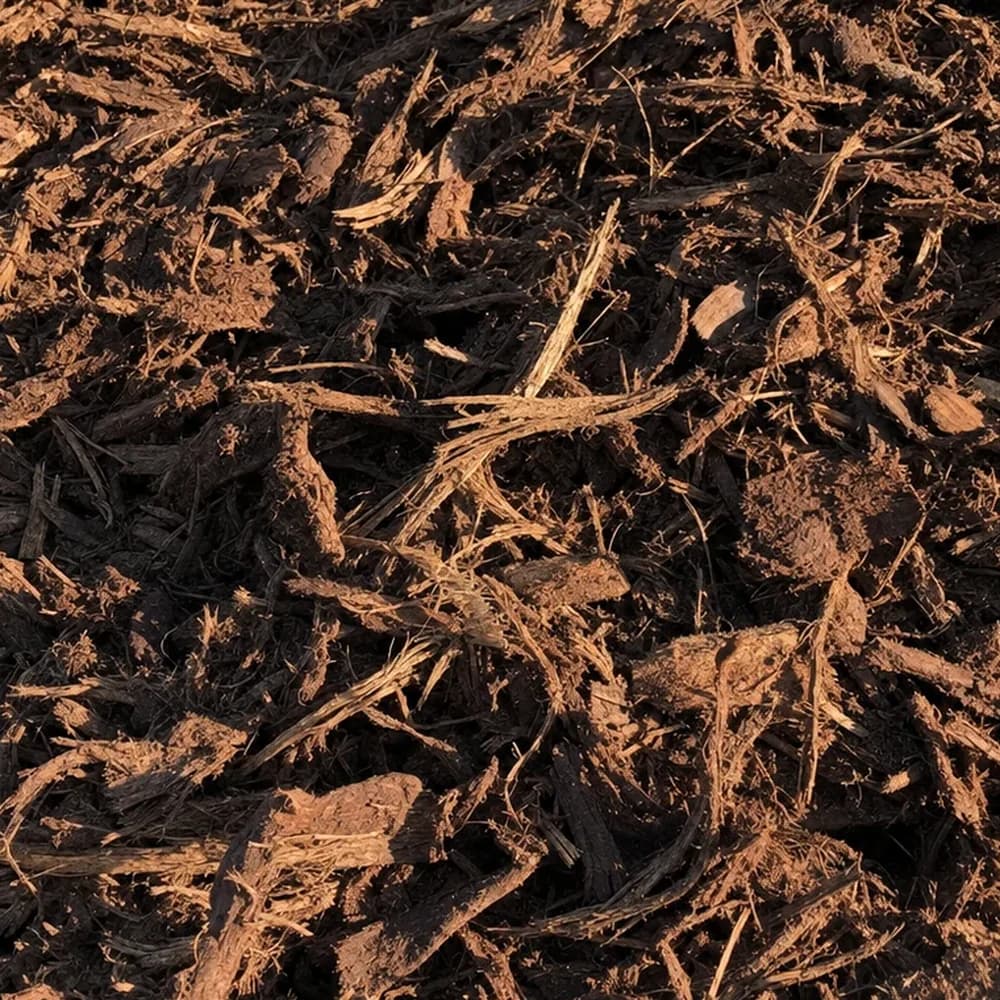
Fill Dirt: the Load People Order When They Meant Topsoil
Keep the grade planned before building up a Texas site. Fill Dirt offers clean, compactable material for backfill, depressions, and general site preparation.
- Size: Screened to remove large rocks, roots and debris
- Grading: Minimal organic matter
From $274 for 1 ton, delivery included (larger loads cost significantly less per ton)
Free delivery included
Free delivery anywhere in Texas
Pick a delivery date
Weekday delivery, earliest Oct 27
“Ordered fill dirt from this company and they kept me updated the whole time. The driver was friendly and careful about where he placed it, really happy with how it went.”
Sandra E. · Verified Buyer
Get a Free Quote
Fill out the form and our sales team will get back to you within the hour.
Size and Grading
- Size
- Screened to remove large rocks, roots and debris
- Grading
- Minimal organic matter
The two loads look similar in the back of a truck and behave nothing alike once they are on the ground. Fill dirt is a mineral material, screened to take out large rocks, roots and debris, and deliberately low in organic matter. Topsoil is the living layer, and its whole value is the organic content that fill dirt is built without. Order the wrong one and you either have grass that will not root or a pad that keeps sinking. The questions below are the ones that decide which load belongs on your job, in roughly the order people ask them.
So which load do I actually want, fill dirt or screened topsoil?
Answer it by asking what the material has to do. If the job is volume, shape and support, it is fill dirt: raising a low corner, backfilling against a foundation or a wall, building a pad, filling an old pool or a void, setting the rough grade before anything else happens.
If the job is growing something, it is screened topsoil. Grass, sod, beds and anything with roots in it need the organic fraction.
Most real jobs use both, stacked. Fill dirt brings the level up and gets compacted, topsoil caps the last few inches, and the plants never touch the fill.
What does screened mean on a load of fill dirt?
It means the large rocks, roots and debris have been taken out, so what arrives spreads and shapes consistently instead of fighting you with lumps that will not compact. That is a workability property more than a quality claim.
The low organic content is the other half of it. Organic material rots, and anything that rots under a slab, a pad or a pavement takes the grade down with it years after the job looked finished. A mineral fill has nothing in it to decompose, so once it is properly compacted the level you built is the level that stays.
Can I raise a garden path with it?
Yes, and that is a good use for it, as long as it is the base and not the finish. A path that has sunk into a soft line across the yard needs bulk under it, and this is the material for that.
Take a hypothetical path 55 feet long and 3 feet wide, raised four inches: 55 x 3 = 165 square feet. Then 165 x 4 ÷ 12 = 55 cubic feet, and 55 ÷ 27 = 2.0 cubic yards. This site publishes roughly 2,400 lb per cubic yard for dry fill dirt, about 1.20 tons per yard, so the order sits near 2.4 tons.
Build it in lifts of four to six inches, compact each one, then surface it. A path takes a gravel or a stone surface over the compacted fill, and something like Walkway Gravel or a screenings bed under flagstone is the usual finish. Bare fill dirt as a path surface turns to slick clay-colored paste in the first heavy rain.
Will grass grow if I spread it for a new lawn?
Not well, and not for long. There is very little in a mineral fill for roots to work with, so seed struggles, sod sits on the surface, and the area needs watering constantly to keep anything alive.
The right sequence for new lawn prep is fill dirt to get the levels and the fall right, compacted as you go, then four to six inches of screened topsoil over the top as the growing layer. Get the contour sorted during the fill stage, because shaping a finished lawn to drain is much harder than shaping the fill underneath it.
Does a hot tub pad sit on fill dirt, or on something firmer?
On something firmer, with fill dirt underneath it if the ground has to come up. A spa or hot tub is a small footprint holding a great deal of concentrated weight, on clay that changes volume between February and August, so the stack matters more than the tonnage.
Fill dirt raises and levels the ground. Above it goes a compacted base such as Flex Base, and above that the slab or the frame. Compact the fill in shallow lifts, shape the subgrade so water leaves on every side, and let a fill area settle through a wet spell before you build on it if the program allows. Fill that has never seen rain has not finished moving.
How much settles after the first heavy rain?
Enough to matter. Even well-placed fill loses a few percent of its height as the material consolidates and the voids close, and uncompacted fill can lose far more than that. Water is what finds it: the first serious downpour after a fill job is when any thin lift or soft patch shows itself.
That is the argument for compacting every lift rather than dumping the whole depth and rolling the top. It is also why you should order to the built depth and expect to bring a little more back for the low spots rather than aiming to finish exactly level on the first pass. Where water is going to be around, the weight changes too: this site lists dry fill dirt near 2,400 lb per cubic yard and wet material up to 3,000 lb, roughly 1.20 against 1.50 tons per yard, so a rained-on load weighs noticeably more than the one you ordered.
How many tons is a 25 by 30 foot low corner?
Take the back corner of a yard that ponds, 25 by 30 feet, brought up six inches: 25 x 30 = 750 square feet. Then 750 x 6 ÷ 12 = 375 cubic feet, and 375 ÷ 27 = 13.9 cubic yards. At the dry weight of about 1.20 tons per yard, that is near 16.7 tons. If the same material arrives wet, closer to 1.50 tons per yard, the identical volume runs nearer 20.8 tons.
These are examples rather than a real job, so put your own measurements through the dirt calculator before you commit to a number.
When should it go in, and what has to be ready?
Timing here follows the rain, not the thermometer. Fill work goes in during a dry stretch, because you cannot compact saturated clay and a loaded truck on wet gumbo does damage that outlasts the job. Most of the state works year round on that basis.
Quantity and delivery date are both set on this page, and delivery is arranged at checkout from your ZIP. Before the truck arrives, mark the drop spot, make sure there is clear access and room to lift a bed, and have the machine on site the same day if you are placing more than a few yards by hand. Splitting a large order into two drops at either end of the work saves more time than it costs. If you are unsure whether your job wants fill, topsoil or both, send the details through the contact page first.
Quickly Calculate How Much You Need
Material: Fill Dirt
How to Measure
Measure the length and width of your project area in feet
Decide on depth in inches (2" for landscaping, 4" for driveways)
Enter the values above and we'll calculate the tonnage you need
Need help figuring out the right amount? We can help!
Call or text us at (512) 412-3378 and we'll help you calculate the right quantity for your project.
Not sure how much you need? The Dirt Calculator has depth guides, coverage charts and worked examples for this material.
Frequently Asked Questions About Fill Dirt
Customer Reviews
Ordered fill dirt from them and it showed up exactly when expected. The driver was friendly and really careful about where he placed it, super happy with the whole thing.
Ryan T. · El Paso, TX · Verified Buyer
Needed fill dirt for a low spot in my yard, and ordering from these guys was simple. Delivery showed up as planned, and I'm really happy with how it all went.
Sandra D. · San Antonio, TX · Verified Buyer
Ordered fill dirt from this company and they kept me updated the whole time. The driver was friendly and careful about where he placed it, really happy with how it went.
Sandra E. · El Paso, TX · Verified Buyer
Grabbed some fill dirt from them, ordering was easy and they kept me updated the whole time.
Michelle R. · Austin, TX · Verified Buyer
Ordered fill dirt from Texas Rock Supply, and I'm really happy with it, the driver was friendly and careful about where he placed it.
Debbie J. · Corpus Christi, TX · Verified Buyer
Fill Dirt has 5 verified customer reviews with an average rating of 4.8 out of 5.