What Is Gravel? How It Is Made, Main Types and What Each One Is Used For
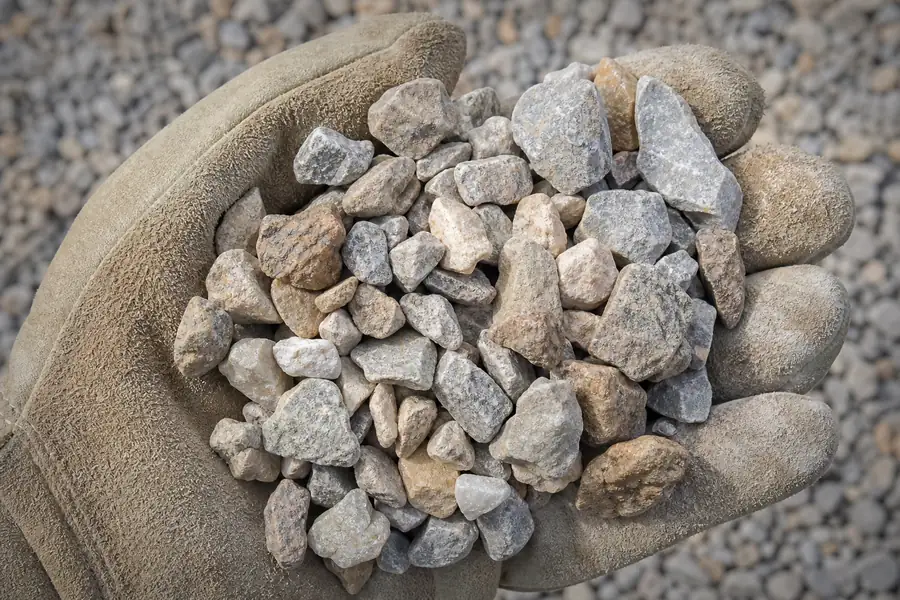
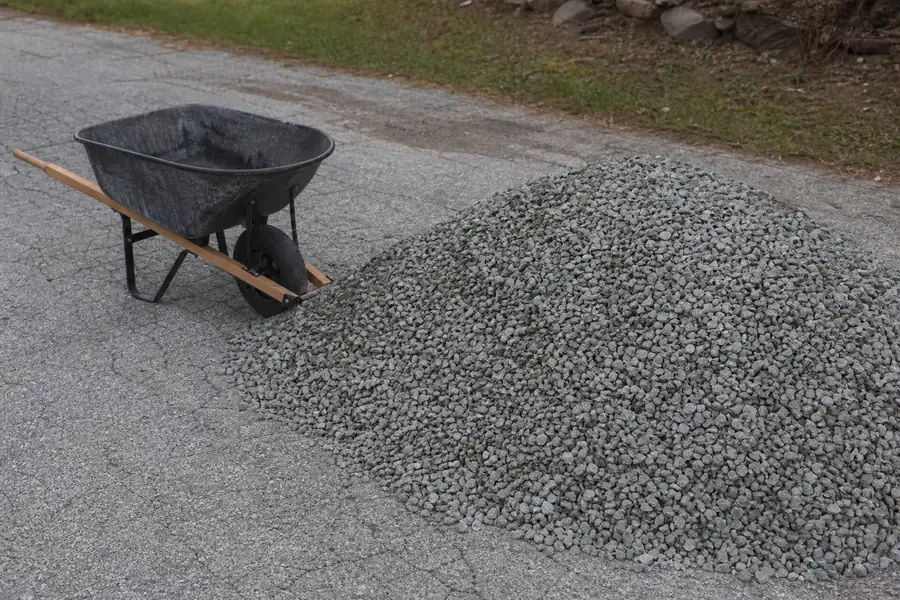
Gravel is loose rock between about 2 and 64 millimeters across, roughly pea size up to fist size, that forms two different ways. Nature breaks it down over centuries as water and weather round off rock fragments, or a quarry crushes larger stone and screens it down to size. Both end up sold as gravel, but they behave differently once they're underfoot.
The short version: natural gravel is rounded and drains fast, while crushed stone is angular and locks together under a compactor. Which one belongs on your project depends on whether you need a surface that drains or a base that holds its shape, and Texas quarries supply both from limestone, river gravel and caliche.
What Is Gravel? Natural Gravel vs Crushed Stone
Gravel splits into two categories: natural gravel, rounded by water and weather, and crushed stone, broken down mechanically at a quarry. Both get sold as gravel at the yard, but the particle shape changes how each one performs.
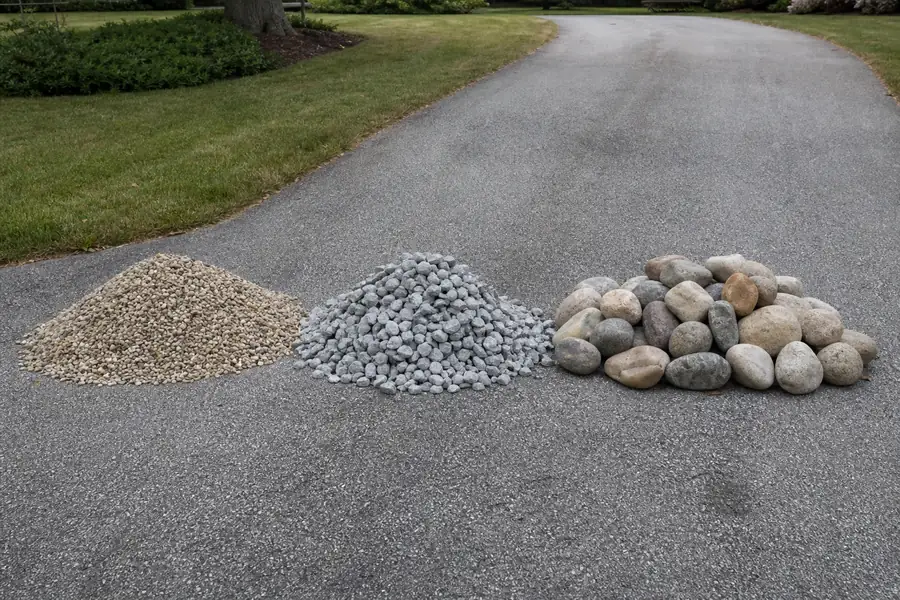
Natural gravel forms as rivers and old floodplains tumble rock fragments for years, wearing the edges smooth the same way you see in river rock. That rounded shape rolls and resettles easily, which is exactly why it drains well in a French drain or dry creek bed but won't hold a driveway shape under a vehicle's weight.
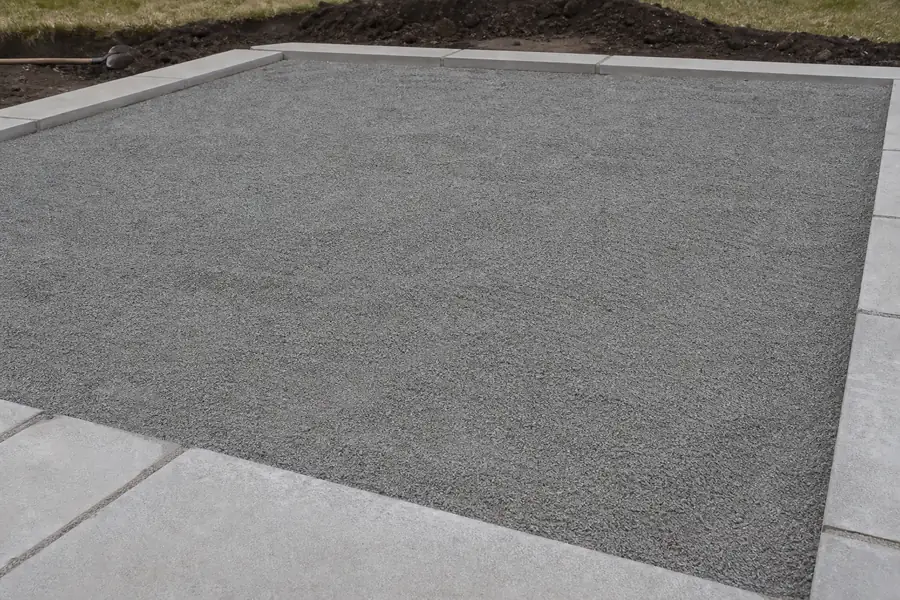
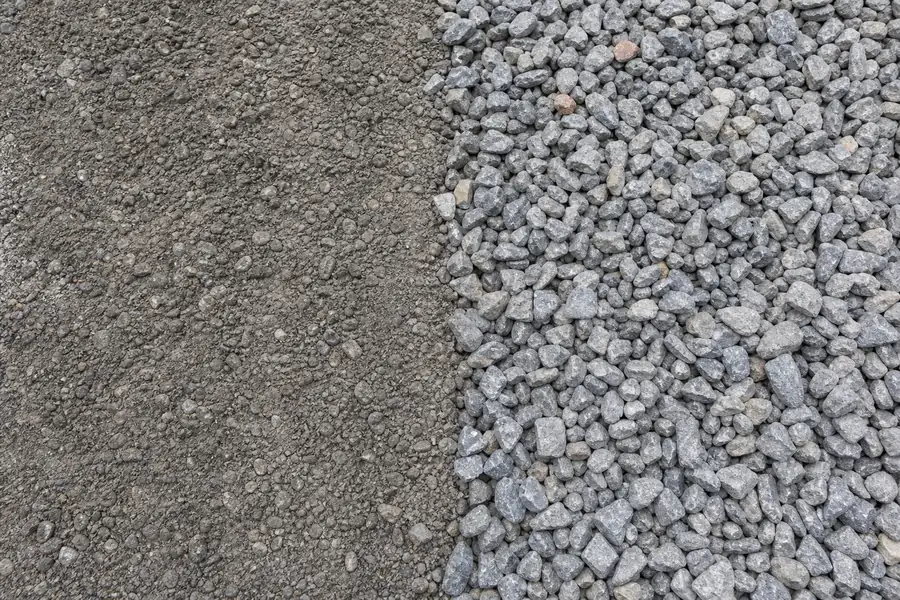
Crushed stone starts as a larger piece of limestone, caliche or granite that a quarry runs through a jaw crusher and screens to a target size, leaving sharp, angular faces. Those angular faces interlock under a plate compactor, which is why nearly every base material sold in Texas, from Flex Base to Crusher Run, is crushed rather than natural.
Where Texas Gravel Comes From
Texas gravel comes from three main quarry sources: limestone across the Hill Country and Edwards Plateau, river gravel deposits along Central Texas waterways, and caliche beds common in South and West Texas ranch country.
Limestone quarried along the I-35 corridor gets crushed into most of the base and drainage stone sold statewide, including #57 Limestone and Crusher Run, the workhorse materials under patios, pads and parking areas.
River gravel pulled from Central Texas waterways shows up naturally rounded, sold as Texas River Rock for landscaping accents and as Natural Pea Gravel for walkways and play areas. Pea gravel stays light enough to rake back into place by hand, which is why it's the go-to for paths that see foot traffic.
Caliche, the chalky, calcium-carbonate rock found across South and West Texas, gets crushed into Flex Base, the material behind most ranch roads and gravel driveway bases outside the big metros. We've covered how caliche ranch roads hold up through a full Texas summer in more detail.
Main Types of Gravel and What They're Used For
Texas gravel breaks down into a handful of main types, and the job determines which one you order.
| Type | Material | Best Use |
|---|---|---|
| Driveway Gravel | Crushed limestone | Driveways, parking pads |
| Pea Gravel | Natural river gravel | Walkways, play areas, beds |
| River Rock | Natural, rounded, larger | Dry creek beds, drainage, accents |
| #57 Limestone | Crushed limestone | Drainage, underslab fill |
| Flex Base | Crushed caliche or limestone | Ranch roads, driveway base |
Texas Rock Supply carries all of these across its full range of products, and Driveway Gravel is the most ordered crushed type for new driveways and parking pads, since its angular, compacted surface holds up to daily vehicle traffic.
How Gravel Is Made
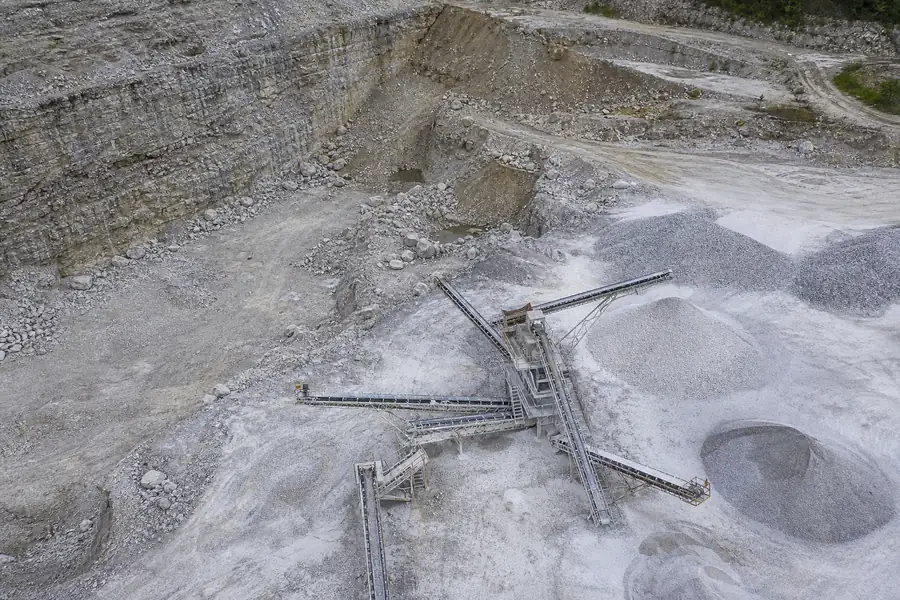
Crushed gravel starts with blasted limestone or caliche run through a jaw crusher, then screened over vibrating decks that sort it into sizes from fine screenings up to large riprap. Natural gravel skips the crusher entirely: it's dug straight from a pit or riverbed, then washed and screened to size the same way.
Both get washed before delivery to strip out clay and silt, since clay carried in with the stone is usually what causes the staining and mud problems homeowners end up blaming on the gravel itself.
How Much Gravel Do You Need?
A ton of gravel covers roughly 100 square feet at 2 inches deep, though exact coverage shifts with the stone's size and how tightly it compacts. Larger stone like river rock covers less per ton than fine crushed stone at the same depth, because bigger pieces leave more air gaps.
| Depth | Coverage per Ton |
|---|---|
| 2 inches | about 100 sq ft |
| 3 inches | about 70 sq ft |
| 4 inches | about 50 sq ft |
Run your own numbers with the gravel calculator before you order, since depth, stone size and project shape all change the ton count fast.
FAQs
What is the difference between gravel and crushed stone?
Gravel is a general term for loose rock fragments, and it includes both natural gravel, rounded by water and weather, and crushed stone, which a quarry breaks down from larger rock and screens to size. Natural gravel drains well because it's round and shifts easily, while crushed stone locks together under compaction, which is why it's used for driveway and patio bases.
Is pea gravel considered gravel?
Yes, pea gravel is a natural gravel, typically between 1/8 and 3/8 inch across, rounded by water into smooth, pea sized stones. It's sold under that name because the size and rounded shape set it apart from crushed gravel products like driveway gravel or road base.
What size is gravel?
Gravel generally ranges from about 2 millimeters, roughly a grain of rice, up to 64 millimeters, about fist sized, with everything in between sold under different names like pea gravel, 3/8 inch stone or 3/4 inch stone. Anything smaller falls into sand, and anything larger is classified as cobble or riprap.
Can you use gravel for a driveway in Texas?
Yes, crushed gravel is the standard driveway surface across rural and suburban Texas, usually run over a compacted base of Flex Base to handle the clay soils common along the I-35 corridor. A loose natural gravel on its own will rut and shift under vehicle weight, so most Texas driveways use a crushed product over a compacted base instead.
Does gravel need a base underneath it?
A driveway or parking area needs a compacted base, usually 4 to 6 inches of a crushed material like Flex Base or crusher run, before the finish gravel goes down. Skipping the base lets the gravel sink into Texas's expansive clay soils, which is the main reason gravel driveways here fail early.