Types of Gravel for Driveways, Drainage and Landscaping (With Photos)
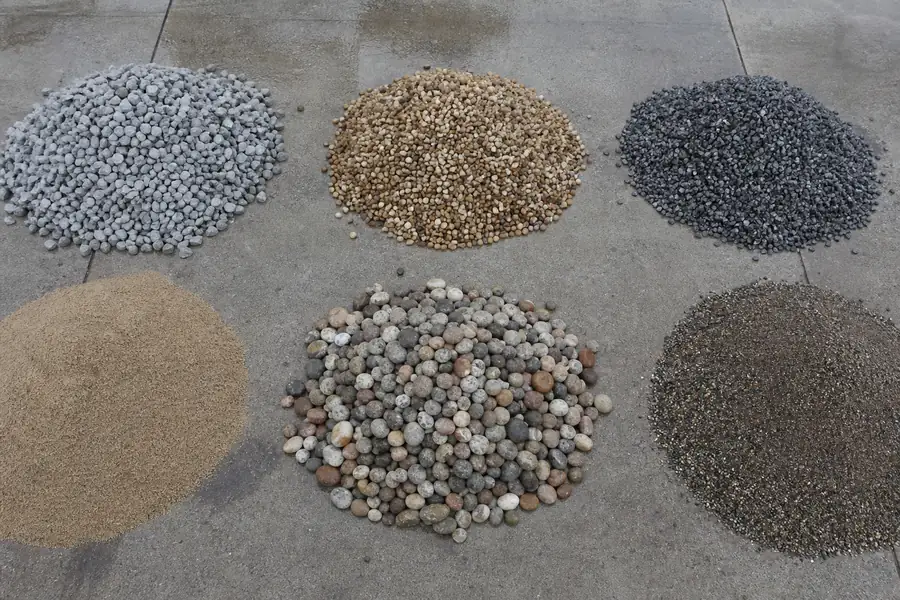
Every stone at the yard looks like "gravel" until you try to use it for the wrong job. Round river stone shifts under tires. Crushed base clogs a French drain. Pea gravel washes off a slope the first hard rain. Matching the right types of gravel to the job in front of you saves a second delivery and a lot of regret.
This guide sorts gravel the way Texas buyers actually shop for it: by what it's going under, not by catalog number. See the full lineup in the products catalog if you want to compare everything side by side.
- Angular, crushed stone locks together and compacts. Rounded stone does not, no matter how much you tamp it.
- Driveways and ranch roads need crushed limestone or caliche base, not rounded rock.
- Drainage projects need clean, open graded stone so water moves through instead of pooling against a foundation.
- Walkways and beds are where rounded pea gravel and river rock earn their keep.
- Cost runs roughly $35 to $75 per ton depending on the stone, with freight adding more the farther you are from the Dallas, Houston, San Antonio triangle.
Types of Gravel for Texas Driveways
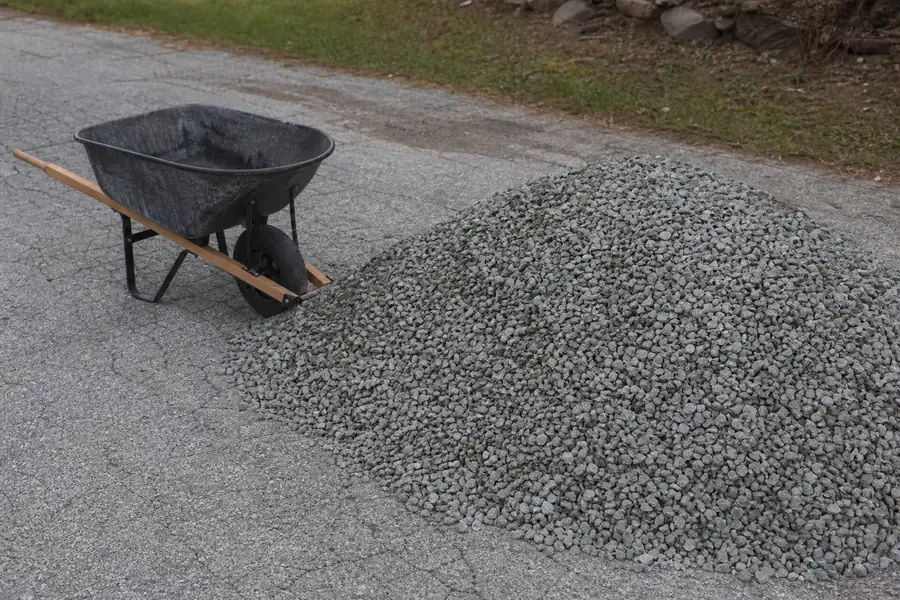
Driveway Gravel is angular, 3/4 to 1 inch crushed limestone that locks together as vehicles drive over it, which is what a rounded stone will never do. Driveway Gravel typically runs $40 to $65 per ton and is the standard top layer for residential drives and parking pads across the state.
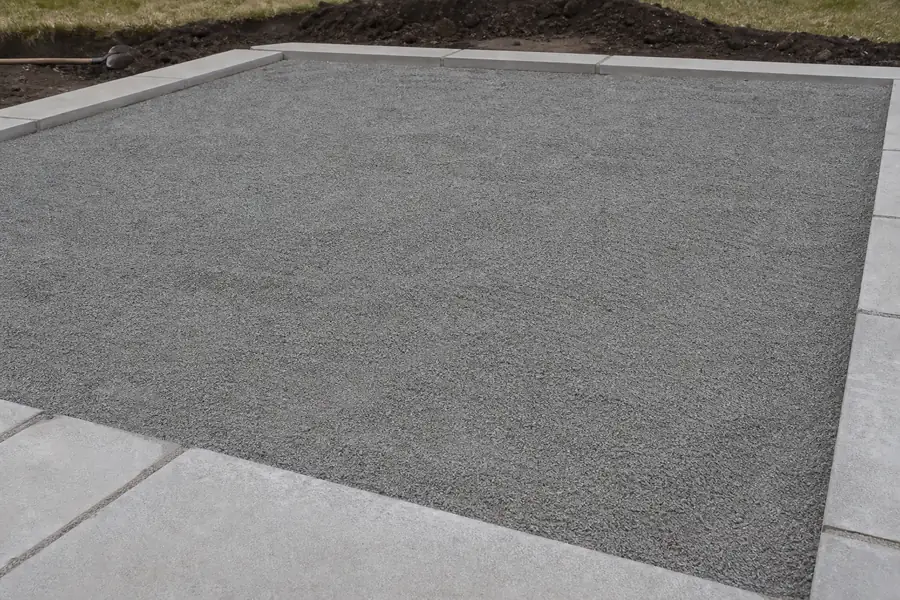
Flex Base is crushed limestone or caliche used as the structural layer under a driveway, not the surface you see. It's the material that keeps a drive from rutting once Texas clay starts moving with the seasons, and it's worth reading the full breakdown in our guide to flex base in Texas before ordering a ranch road or ag pad.
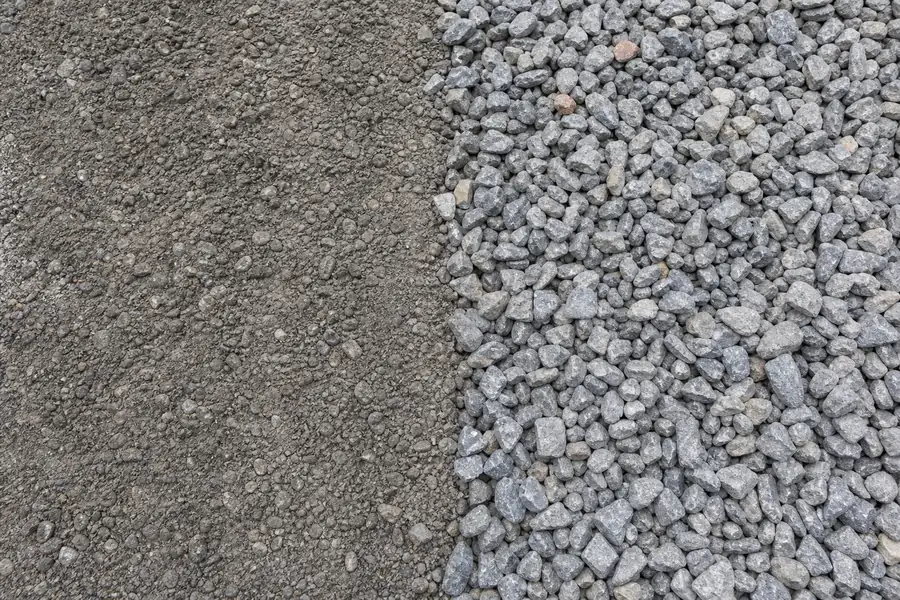
Crusher Run mixes crushed stone with limestone fines that pack down hard, making it a cheaper base option where budget matters more than a finished look. None of these three belong under a house foundation footing drain, and none of them belong on a walking path where bare feet or bike tires need something smoother.
Types of Gravel for Drainage and French Drains
3/4 Inch Crushed Stone is washed, open graded angular stone that lets water pass between the pieces instead of getting trapped, which is exactly what a French drain needs to work. Open graded means the stone is sorted to one size with no fines mixed in, so there's nothing to clog the voids water needs to travel through. 3/4 Inch Crushed Stone is the standard fill around perforated pipe in the black gumbo clay common through the I-35 corridor.
Drain Rock and #57 Stone serve the same open graded role at slightly different sizes, and either works for downspout runs, foundation perimeter drains, or a dry well. Expect $45 to $70 per ton for washed drainage stone. Never backfill a drain with crusher run or flex base: the fines that make those materials compact so well are the same fines that silt up a drain line within a season.
Types of Gravel for Walkways and Landscaping
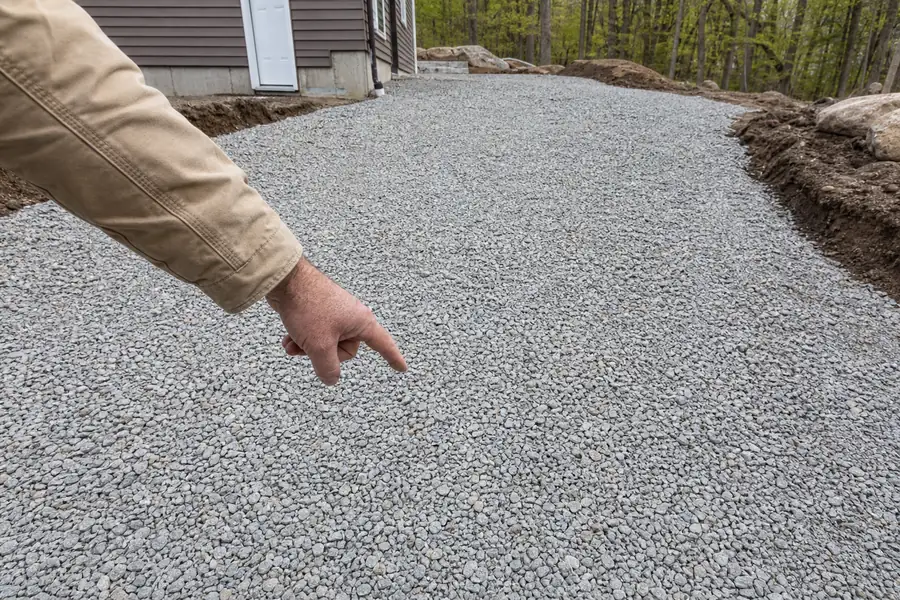
Walkway Gravel is a smaller, more comfortable stone sized for foot traffic, usually 3/8 to 1/2 inch, and it stays put on a path far better than a large driveway aggregate would. Walkway Gravel generally runs $45 to $70 per ton and works well edged with steel or plastic border to keep it from migrating into the lawn.
Pea Gravel is smooth, rounded, about 3/8 inch across, and it's the go-to for garden beds, patios and playground surfacing because there are no sharp edges. Texas River Rock runs larger, from an inch up to fist sized, and shows up in dry creek beds, drainage swales dressed to look intentional, and foundation borders. Both are decorative and drainage friendly, and neither should ever go under a vehicle: rounded stone rolls and displaces under weight instead of locking in place.
Gravel Cost Comparison by Type
| Type | Size | Look | Cost per ton | Best for |
|---|---|---|---|---|
| Driveway Gravel | 3/4-1 in | Angular, tan/gray | $40-$65 | Driveway surface |
| Flex Base | Crushed, mixed | Tan, dusty | $30-$50 | Driveway/road base |
| 3/4 In Crushed Stone | 3/4 in | Clean, angular gray | $45-$70 | French drains |
| Walkway Gravel | 3/8-1/2 in | Angular, tan | $45-$70 | Foot paths |
| Pea Gravel | 3/8 in | Smooth, rounded, mixed tones | $50-$75 | Beds, patios |
| Texas River Rock | 1-4 in | Rounded, earth tones | $55-$85 | Dry creek beds, borders |
Which Types of Gravel to Avoid for Each Job
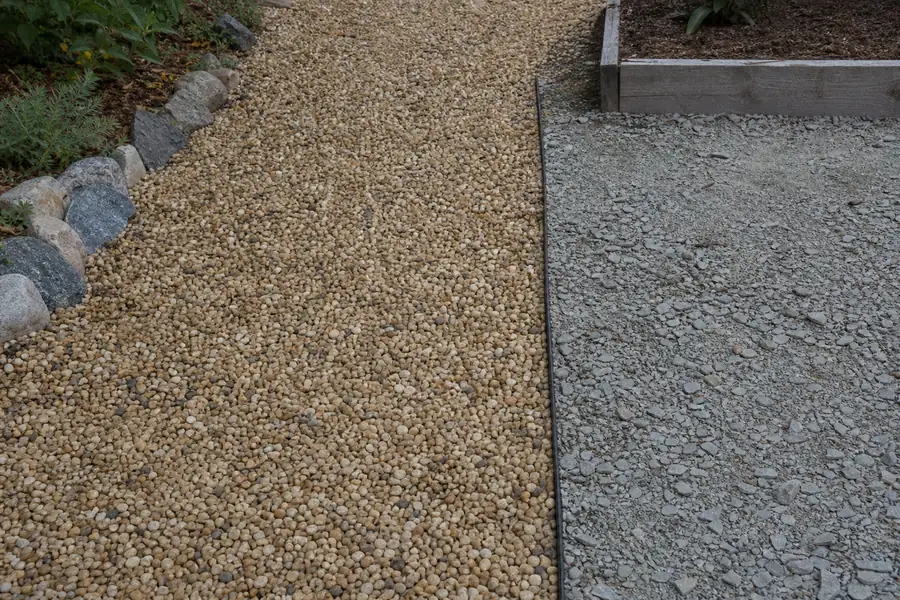
A driveway built with pea gravel or river rock never fully compacts, so it ruts, spreads to the edges, and tracks into the garage within a few months. A French drain backfilled with flex base or crusher run clogs fast because the fines that make those materials good bases are the same fines that block water from moving through the stone.
A garden path built with sharp driveway gravel is uncomfortable to walk barefoot and awkward for kids and pets. And a decorative bed edged with crusher run just looks like a construction site instead of a finished yard. Matching stone shape and size to the job isn't a style choice, it's the difference between a project that holds up and one that needs redoing.
FAQs
What's the cheapest type of gravel for a driveway?
Crusher run or flex base are usually the least expensive options because they include crushed fines rather than clean, sorted stone. They work well as a base layer but most homeowners still top the drive with a clean crushed stone like Driveway Gravel for a finished, dust free surface.
Can I use pea gravel for a driveway?
No. Pea gravel is smooth and rounded, so it never locks together the way angular crushed stone does, and it will roll and displace under tire weight. Save pea gravel for walkways, garden beds, and patios where there's no vehicle traffic.
What type of gravel is best for drainage around a foundation?
Clean, open graded stone like 3/4 inch crushed stone or drain rock is best because water passes freely between the angular pieces instead of pooling. Avoid any base material with fines mixed in, since those clog the gaps water needs to travel through.
How much gravel do I need for a driveway?
Most residential driveways need a compacted base plus a 2 to 3 inch top layer of Driveway Gravel, which works out to roughly one ton per 100 square feet at that depth. Exact tonnage depends on the length, width, and how deep your base needs to be for the soil underneath.
Does the type of gravel matter for a ranch road?
Yes. Ranch and ag roads typically need a compacted Flex Base or caliche layer underneath, with a driveway grade crushed stone on top if the road sees regular vehicle traffic. Loose or rounded stone alone won't hold up to repeated truck and trailer weight over a caliche or clay subgrade.