What Are Stone Screenings (Limestone Screenings) and When Should You Use Them?
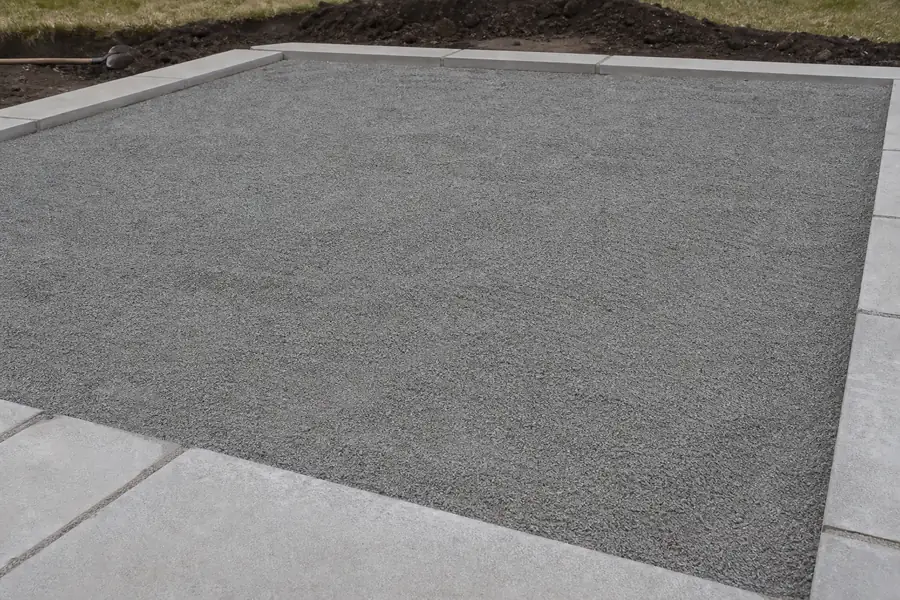
If a landscaper tells you to bed your pavers in screenings, they mean crushed limestone fines, not sand and not gravel. Screenings fill the gaps between paving stones and lock a base tight, but only if you use the right thickness and understand how they behave next to sand or crusher run. Here is what screenings are made of, how they compare to the alternatives, and when a Texas project actually calls for them.
What Are Screenings?
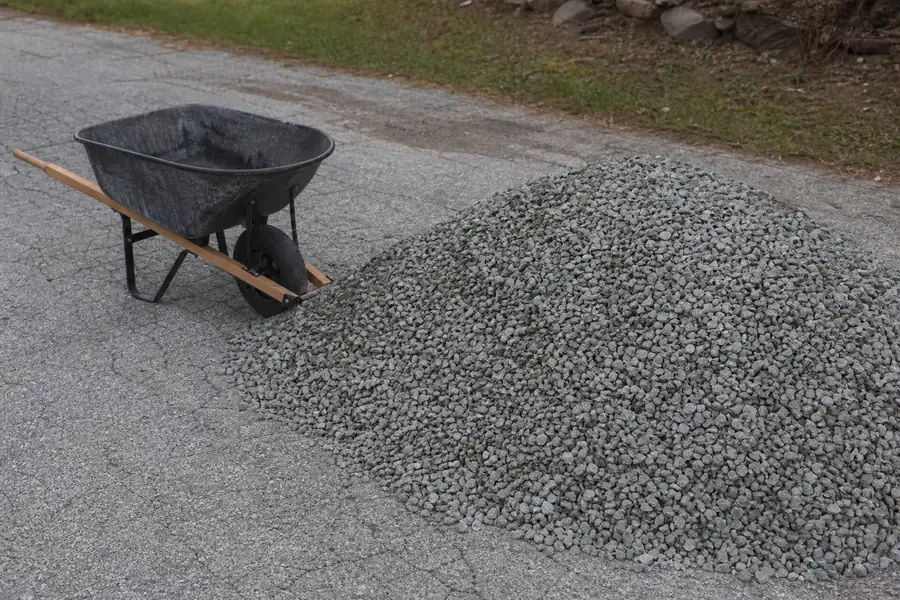
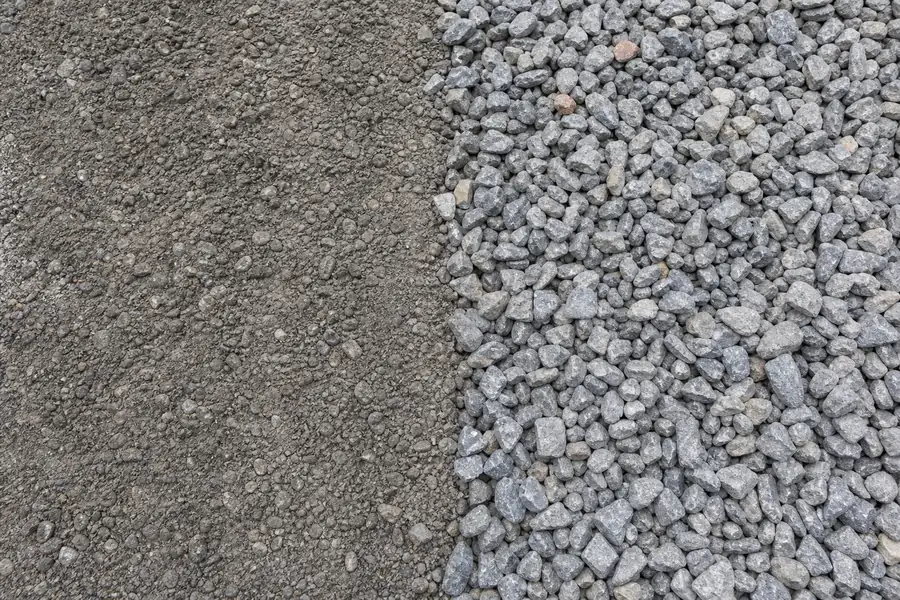
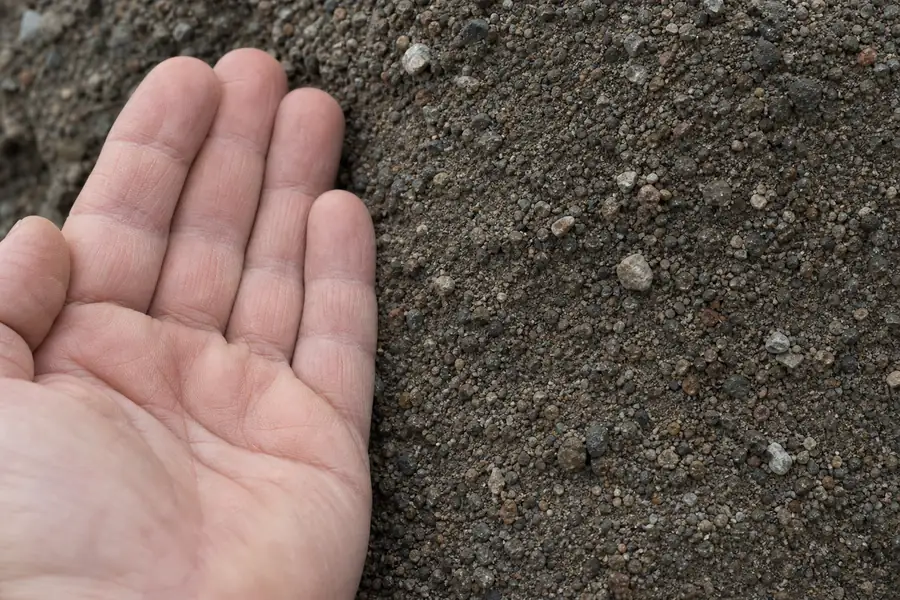
Screenings are the finest byproduct of crushing limestone: particles sized 1/4 inch and smaller, right down to a fine powder. Quarries produce them as a leftover when they crush larger stone like 3/4 inch crushed stone or 57 stone down to spec size, screening out the dust and small fragments at the end of the line. That fine, angular material is what gets sold as stone screenings.
Because the particles are small and sharp-edged rather than round, screenings pack down tight when compacted. That is the whole reason contractors use them: a screenings layer fills voids and creates a smooth, stable surface for setting pavers, flagstone, and other hardscape.
Screenings vs. Sand vs. Crusher Run
Screenings pack tighter than sand and finer than crusher run, which is why contractors reach for them specifically as a paver setting bed instead of either. Mason sand is washed and uniform in grain size, so it stays loose and workable, but it shifts under lateral load and washes out faster in Texas downpours. Mason sand still has its place, mainly for mortar mixes and filling paver joints, but it is a poor choice for the structural bedding layer under a patio.
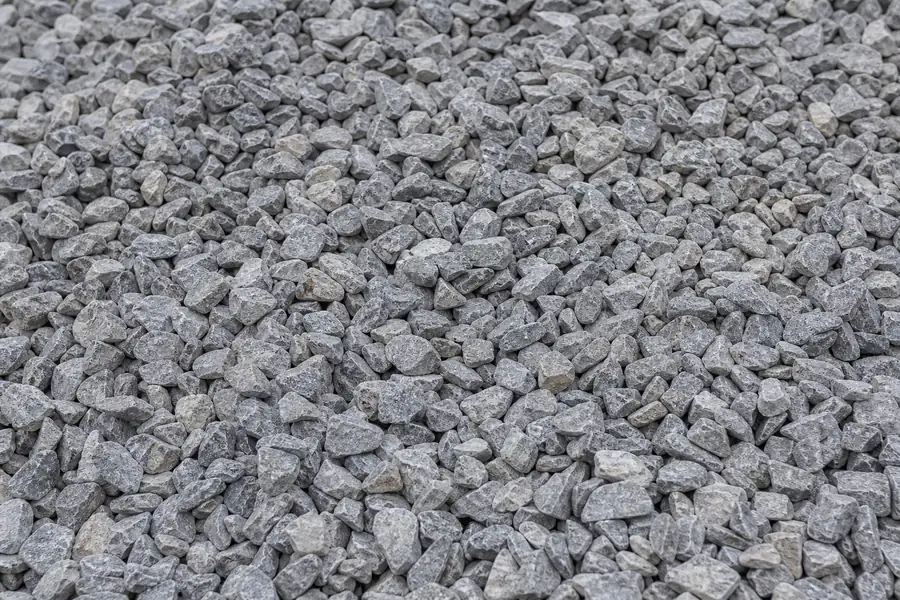
Crushed limestone base, sometimes called cement stabilized base, is a graded mix running from 3/4 inch stone down to fines. It compacts into a hard, load-bearing surface, which makes it the right pick for driveways and parking pads rather than a paver bedding layer. You can browse crushed limestone base for those heavier applications.
Screenings sit between the two: finer and more uniform than crusher run, more angular and stable than sand. For a driveway or ranch road that needs to carry real vehicle weight, flex base compacts even harder than crushed limestone base; our flex base in Texas guide covers depth and compaction specs for that job.
| Material | Particle size | Compaction | Best use |
|---|---|---|---|
| Screenings | 1/4 inch minus | Firm, low permeability | Paver and flagstone bedding |
| Mason Sand | Uniform fine grain | Loose, shifts under load | Joint fill, mortar mix |
| Crushed Limestone Base | 3/4 inch minus | Hard, load bearing | Driveways, parking pads |
| Flex Base | Graded, larger top size | Very hard, load bearing | Ranch roads, heavy traffic |
How Thick Should a Screenings Bed Be?
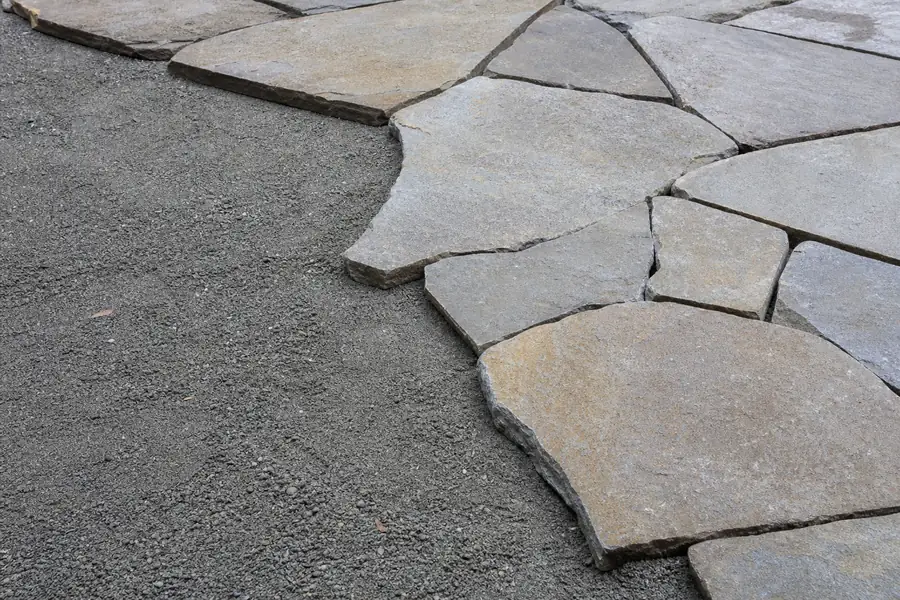
A screenings bedding layer should run 1 inch thick, compacted, directly under pavers and flagstone. Go thicker and the layer gets soft and uneven, letting pavers rock and settle unevenly over time.
The full section under a Texas patio usually looks like this: compacted subgrade, then 4 to 6 inches of crushed limestone base or flex base for structural support, then the 1 inch screenings layer for leveling and fine adjustment, then the pavers themselves. Skipping straight from subgrade to screenings without a proper base underneath is the fastest way to end up with a patio that heaves in expansive clay soil. Run your project dimensions through our paver base calculator to confirm how much base and bedding material your patio or walkway needs.
How Much Screenings Coverage Do You Get Per Ton?
One ton of screenings covers roughly 100 square feet at the standard 1 inch bedding depth. Coverage drops as depth increases, since you are spreading the same weight of material over a thinner or thicker layer.
| Depth | Coverage per ton |
|---|---|
| 1 inch | About 100 sq ft |
| 2 inches | About 50 sq ft |
| 3 inches | About 35 sq ft |
For most patios and walkways, 1 inch is the number you need. Deeper layers only come into play if you are leveling out a dip in the subgrade before you set the base course.
When to Use Screenings on a Texas Project
Screenings earn their keep under patios, walkways, and flagstone anywhere a tight, weed-resistant bedding layer matters more than load capacity. Common jobs include:
- Paver patios and pool decks
- Flagstone or stepping stone walkways
- Leveling under sheds and small structures
- Filling paver joints as an alternative to sand in yards with heavy runoff
Screenings are the wrong call for anything that needs to bear vehicle weight or handle standing water. Driveways and ranch roads need crushed limestone base or flex base underneath them. French drains and drainage trenches move water better with an open-graded stone like drain rock, since screenings compact tight enough to slow water instead of moving it through.
FAQs
Are screenings the same as stone dust?
Yes, stone dust and screenings are the same material: the fine, 1/4 inch and smaller particles left over when quarries crush limestone into larger sizes. Some suppliers use one name or the other, but they refer to the same product.
Can you use screenings under a driveway?
No, screenings compact too fine and soft to bear vehicle weight on their own. A driveway needs a structural base like crushed limestone base or flex base, with screenings reserved for a thin leveling layer under pavers, not the load-bearing course itself.
Do screenings need to be compacted?
Yes, screenings should be compacted with a plate compactor after spreading and before setting pavers or flagstone on top. Compaction locks the fine particles together and keeps the bedding layer from shifting or settling unevenly once weight is added.
Will screenings wash out in heavy rain?
Compacted screenings resist washout far better than loose sand because the fine particles bind tightly together once tamped down. Standing water pooling on top of a patio or walkway is more often a grading problem than a screenings problem, so make sure the surface slopes away from structures.
How do screenings compare to polymeric sand for paver joints?
Polymeric sand hardens with an added binder and resists weed growth and ant intrusion better than plain screenings in the joints. Screenings still work for joint fill on a budget, but polymeric sand is the better choice in Texas yards with heavy weed pressure or loose, sandy soil around the pavers.